
Service
Garage Door Opener Installation for Danville-Area Homes
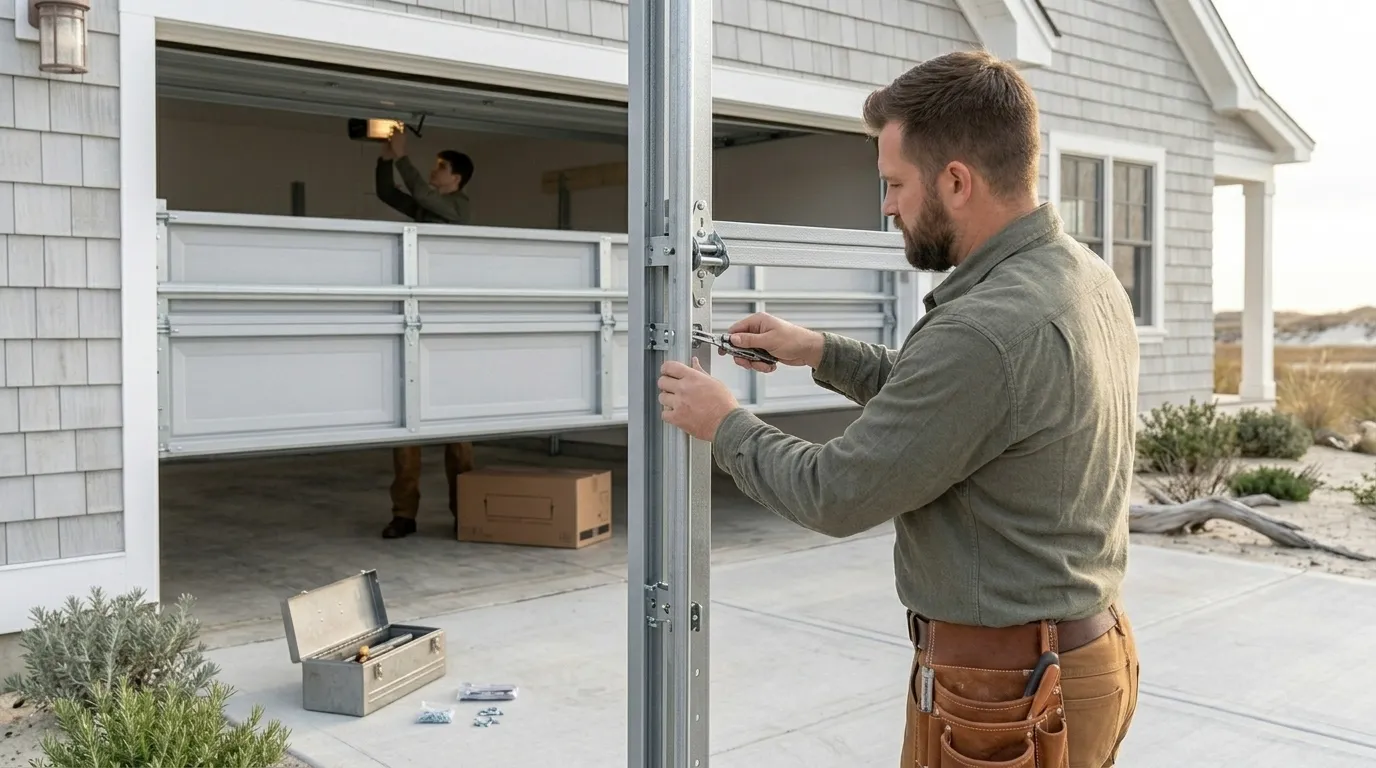
Opener installs for Danville-area homes built 1938 to 2008, mostly 1960s-70s stock. We match the drive to the door, run new wiring to code, and skip the guesswork on old chain units.
- Licensed & Insured
- Same-Area Service Calls
- Upfront Pricing
What Happens When You Call
-
1
Call or Request a Quote
Tell us what the door is doing and roughly how old the house is - that alone points us toward the likely part before a truck leaves.
-
2
On-Site Diagnosis
A tech checks the spring, cables, tracks, and opener in person and tells you plainly what is actually wrong.
-
3
Straight Price, No Surprises
You get a number before any work starts. It covers parts and labor, nothing added after the fact.
-
4
Fixed the Same Visit
Most repairs are done in one trip. If a part needs sourcing, we tell you that upfront instead of guessing.
Why It Happens Here
Most of the housing in this service area went up between 1938 and 2008, with the median build year sitting around 1972. That means a lot of garages still running the opener that came with the house, or a replacement from twenty-some years back that was never upgraded past a basic chain drive. Chain openers from that era were built for a lighter door than what's often on the track now - heavier insulated panels bolted on over the original hardware without anyone checking whether the motor could still handle the load.
The mild temperate climate here works in your favor in one sense: you don't get the freeze-thaw cycling that kills openers outright in colder regions, and you don't get the swing in humidity that warps circuit boards the way it does on the coast. So when an opener fails in a house from the 1960s or 70s stock that makes up most of this area, it's usually straight wear - gears stripped, capacitors dead, logic boards that predate rolling-code security - not weather damage. That's actually good news for a homeowner, because it means the fix is mechanical and electrical, not structural.
Across the 30 named communities in this service area, the pattern repeats: older opener, heavier door added later, no upgrade to match.
How We Fix It
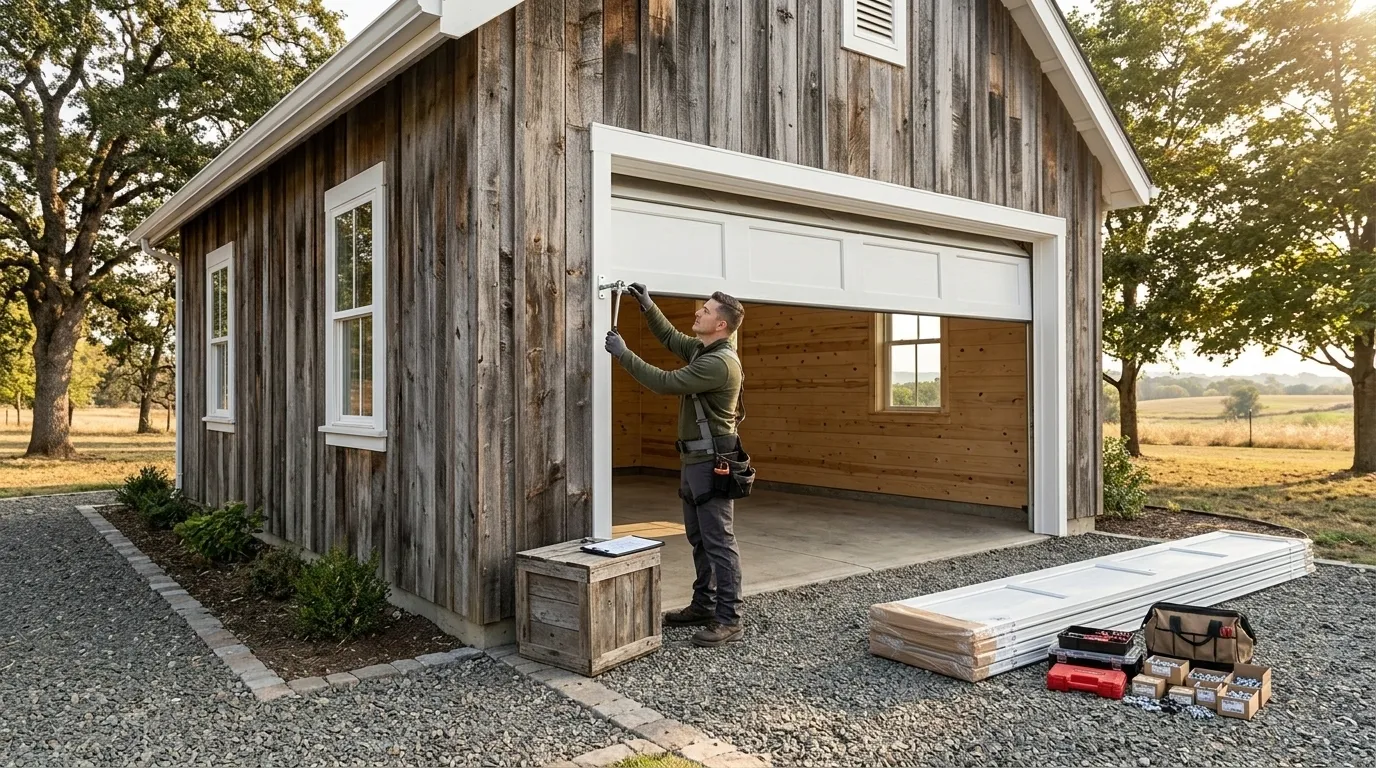
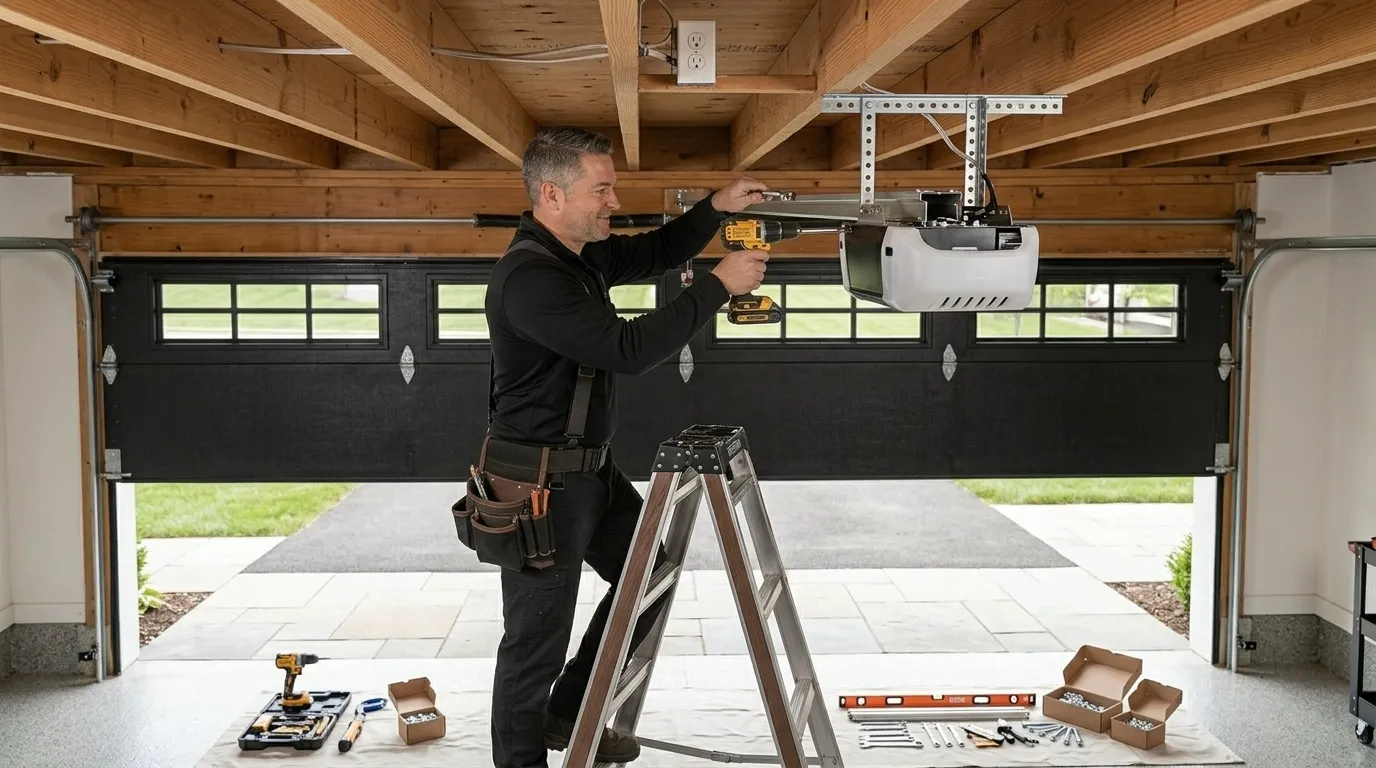
We start by checking what's actually driving the door now versus what the door weighs today - a lot of the mismatch problems trace back to a panel swap that never got paired with a stronger motor. From there it's a straightforward swap: pull the old unit, mount the new opener on the header, run fresh wiring rather than splice into whatever's there from the original install, and set the travel limits and force settings for the actual door, not factory defaults.
Belt drive is the quiet option and it's what most people ask for once they hear it next to a chain unit that's been grinding for a decade. Chain drive still makes sense on heavier doors or detached garages where noise isn't a factor. We wire in new safety sensors at the base of the track every time - federal standards require photo-eye reversal on residential openers, and on houses from the older end of that 1938-2008 build range, the existing sensors are frequently the wrong generation or missing entirely.
One limitation worth saying up front: if the header framing above your door has shifted or rotted, that's a carpentry job before it's an opener job, and we'll tell you that rather than mount a new unit to a bad support.
The Symptom
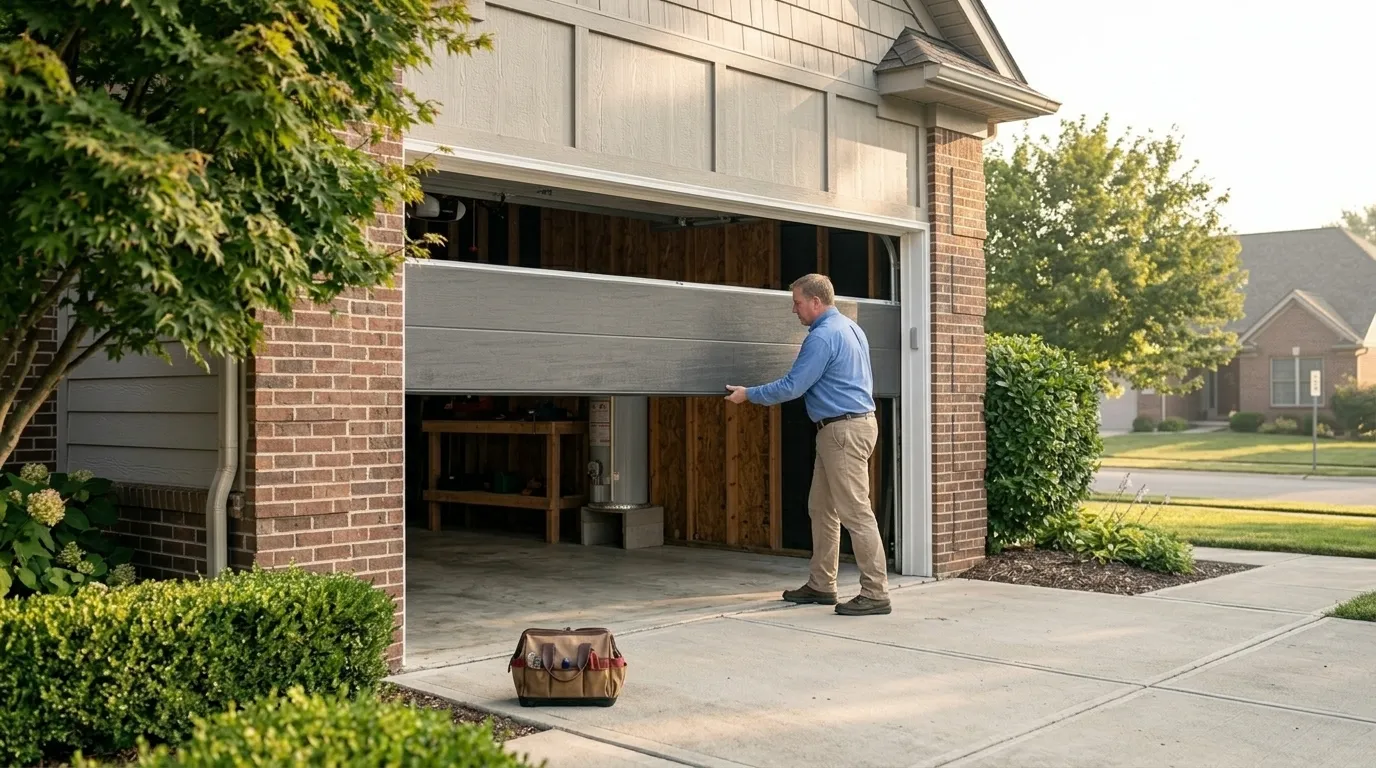
The opener that's about to fail rarely just quits. It grinds louder than it used to. The door hesitates halfway up, or reverses for no reason partway down.
The remote works from the driveway but not from the street. The light stays on after the door closes, or never comes on at all. Sometimes it's the motor humming without the door moving - the gear inside has stripped and the chain or belt isn't turning.
In houses from the 1960s and 70s stock that make up most of this service area, the other common tell is an opener that still works but has no battery backup and no rolling-code security, both standard on anything sold in the last fifteen years. That's not a failure exactly, but it's a gap that shows up the first time the power goes out and the door won't open manually because nobody's checked where the release cord is.
If your opener is making a new noise it didn't make last month, that's usually the gear set, not the motor itself - worth a call before it strips the rest of the way and leaves the door stuck.
The Cost of This Job
We're not going to quote a number here, because the honest range depends on the door - a single lightweight door on a detached garage costs a lot less to motorize correctly than a heavy double door needing a stronger drive and reinforced bracket. What we can tell you is what drives the price: the horsepower needed for the actual door weight, whether the existing wiring is reusable or needs to be replaced, and whether you want belt or chain.
This is a service area with a median household income of $146,657 across 149,555 households, and 78,343 of those are owner-occupied houses - a lot of them from that same 1938-2008 build era. What we see most often is homeowners who'd rather pay once for the right-sized opener than replace a second undersized unit in five years. We'll give you a firm number after we've looked at the door in person, not a phone estimate that changes once the truck shows up.
Talk to a Technician Before You Book
Describe what the door is doing and get a straight answer on what it likely needs.
Jobs Like Yours
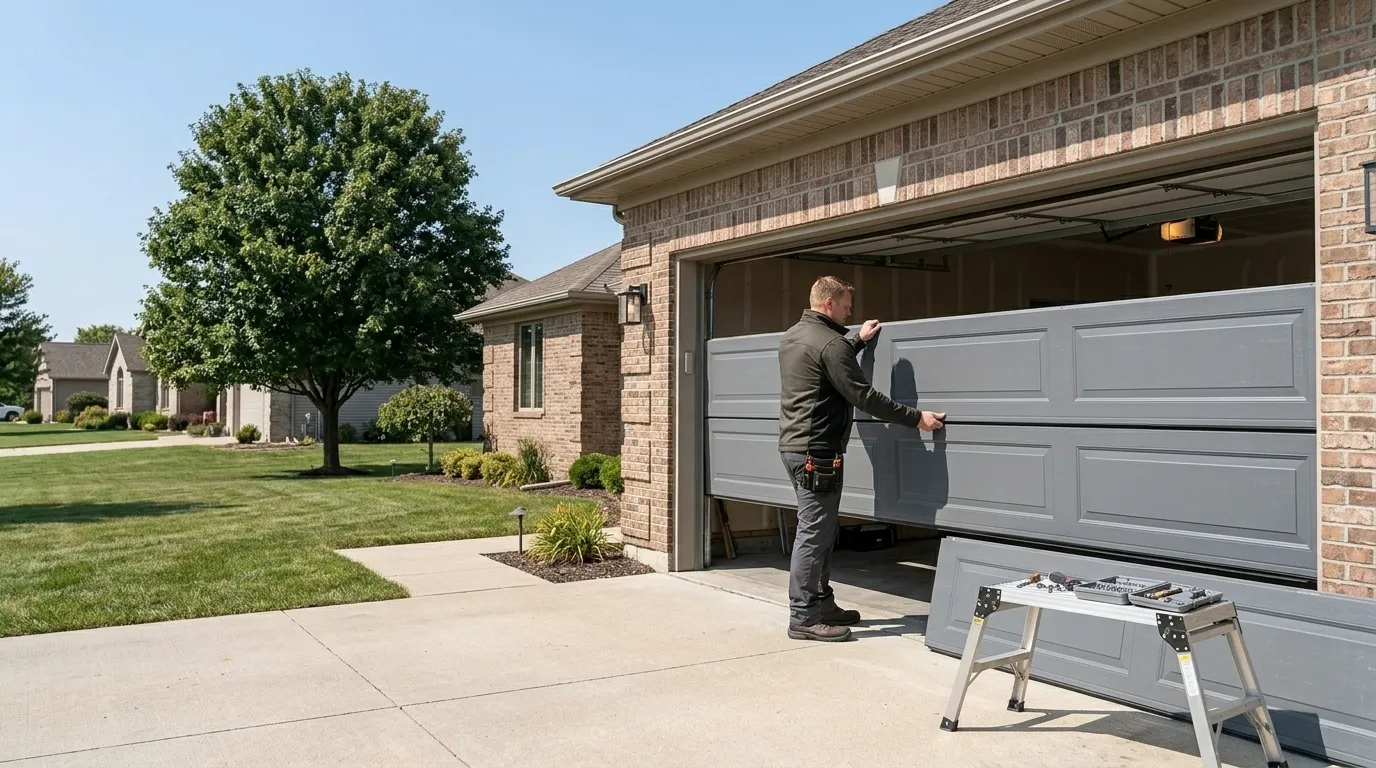
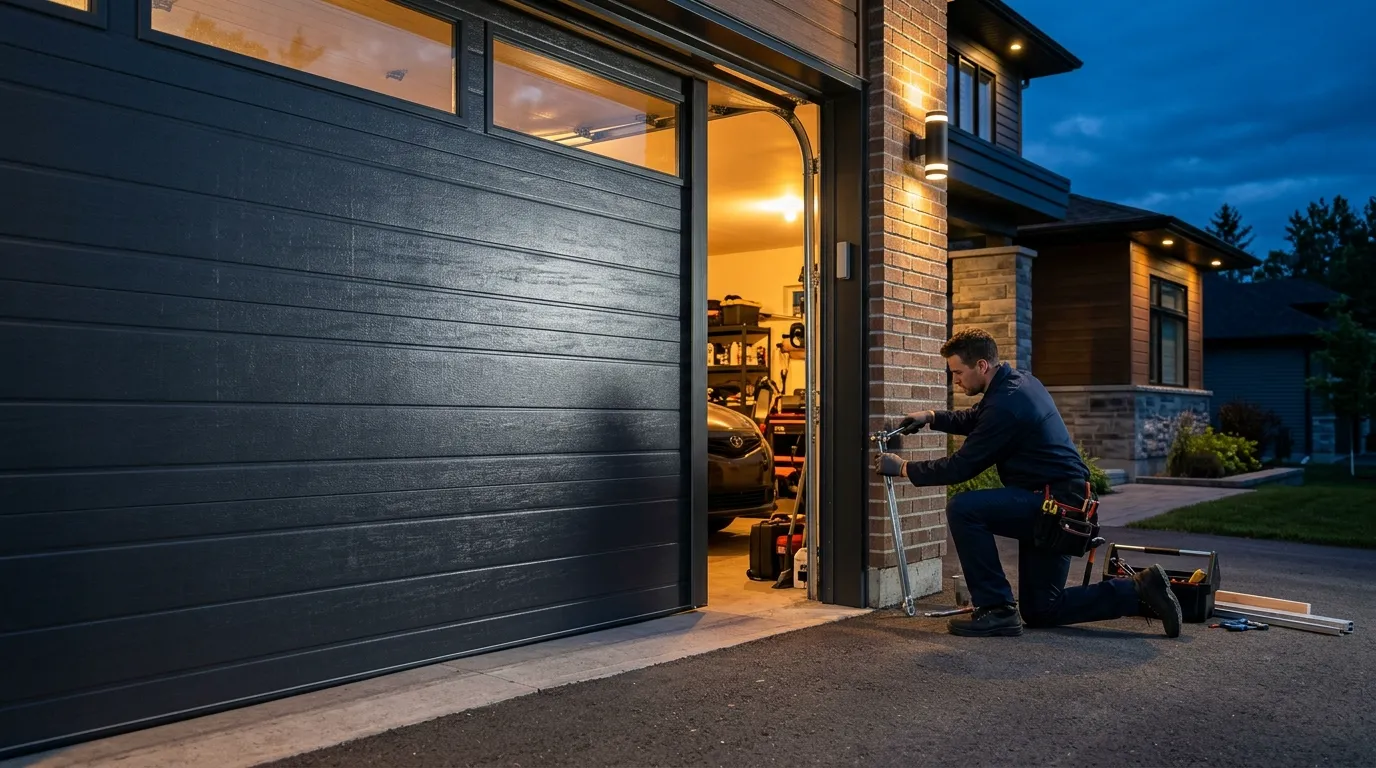
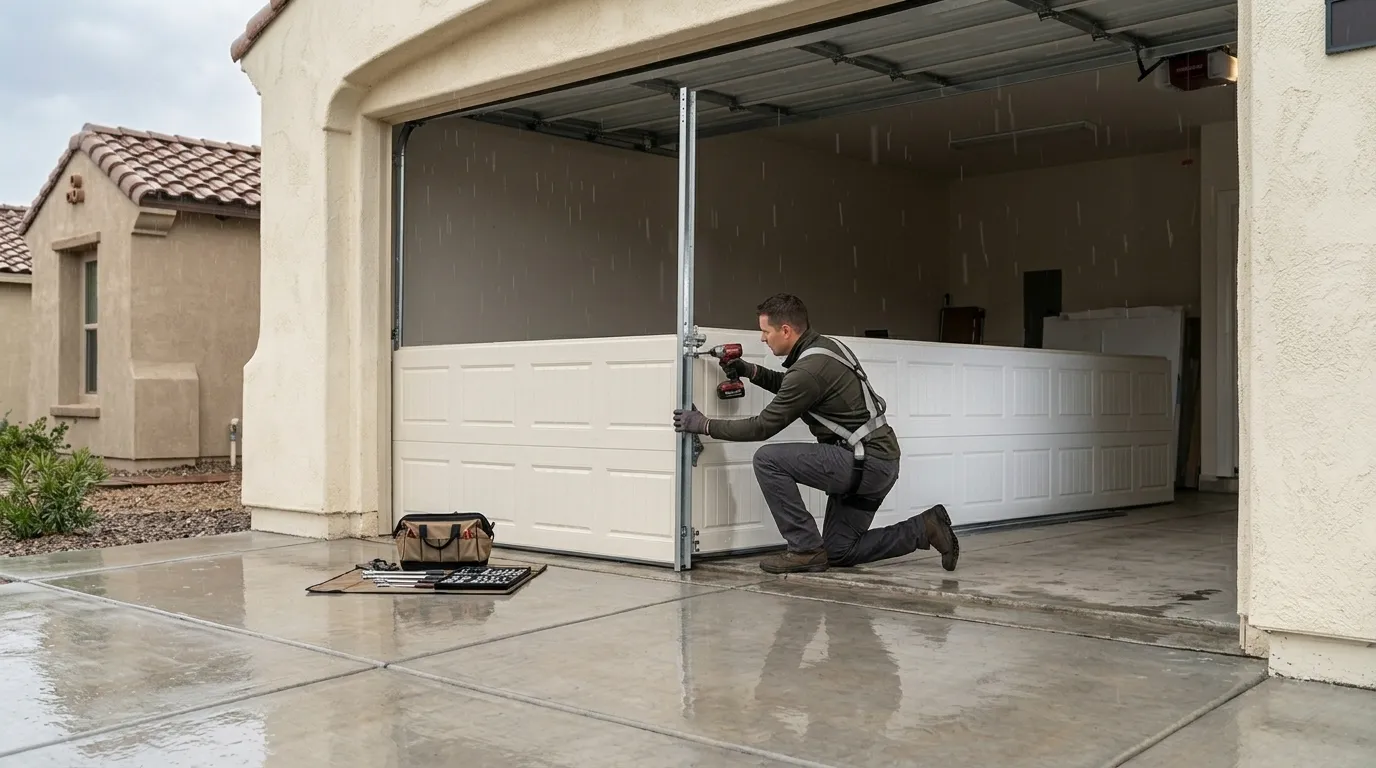
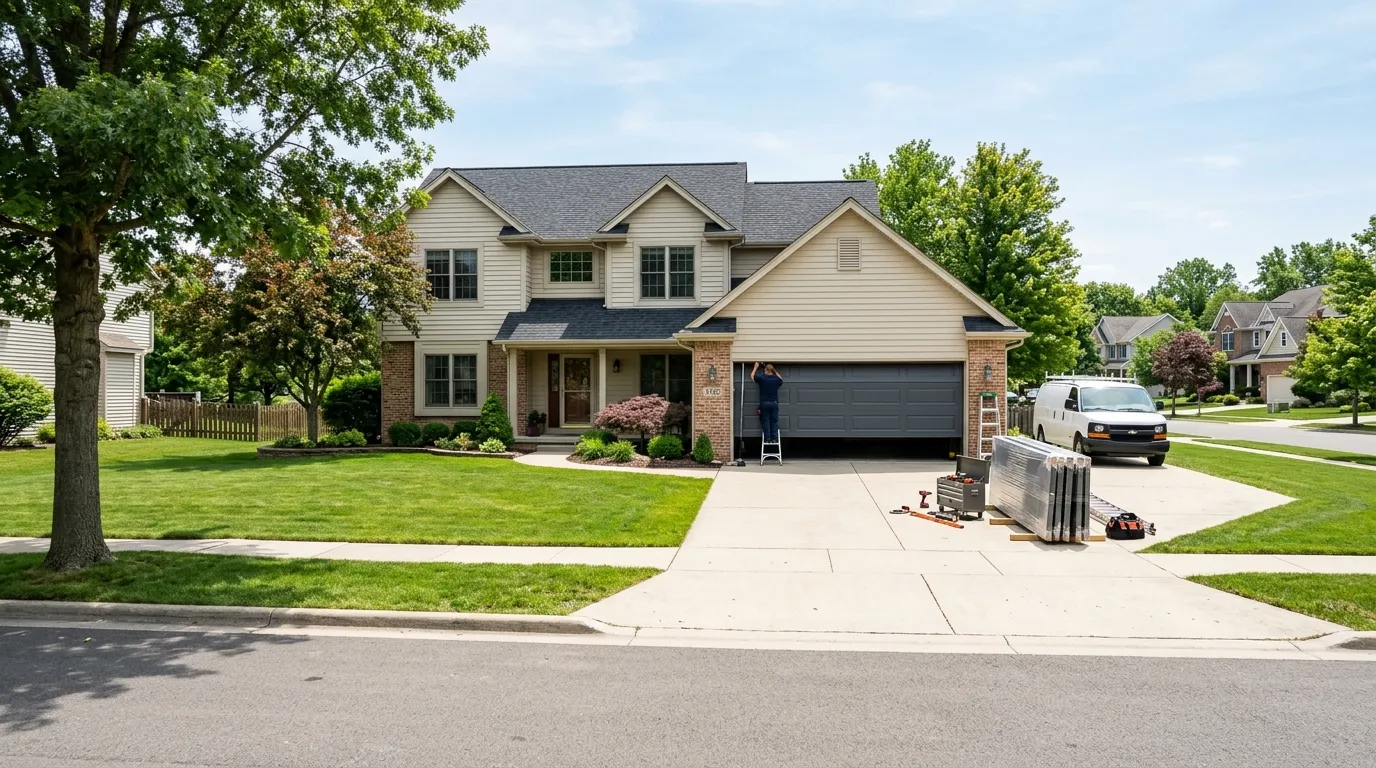
Recent work from this service line.
Why Danville Calls Us
Frequently Asked Questions
How do I know if I need a new opener or just a repair?
If the motor runs but the door doesn't move, or the gears grind, that's often a stripped gear kit - sometimes repairable. If the logic board is failing, remotes won't sync, or the unit predates rolling-code security and battery backup, replacement usually makes more sense than patching an old board.
Will a new opener work with my existing garage door?
Usually, as long as the opener's horsepower matches the door's weight. A lot of the failures we see in this area trace back to a heavier door installed later without upgrading the original opener that came with houses built decades ago. We check the match before we install anything.
Do you install openers in garages without existing wiring for one?
Yes, we run new wiring rather than tie into old, undersized circuits left over from a decades-old build. On older houses in this area that's often the safer route anyway, since the original wiring wasn't sized for a modern opener's draw.
Need Garage Door Opener Installation for Danville-Area Homes?
Call now for straight answers on cost and timing.