
Danville Garage Door Guide
Weather Seals and Drafts: What's Actually Happening on Your Danville Garage Door
Why Danville garage doors let in drafts, tied to the 1960s-70s housing stock and mild climate here. What to check, when to call, and what the fix runs.
- Licensed & Insured
- Same-Area Service Calls
- Upfront Pricing
What Is Going On
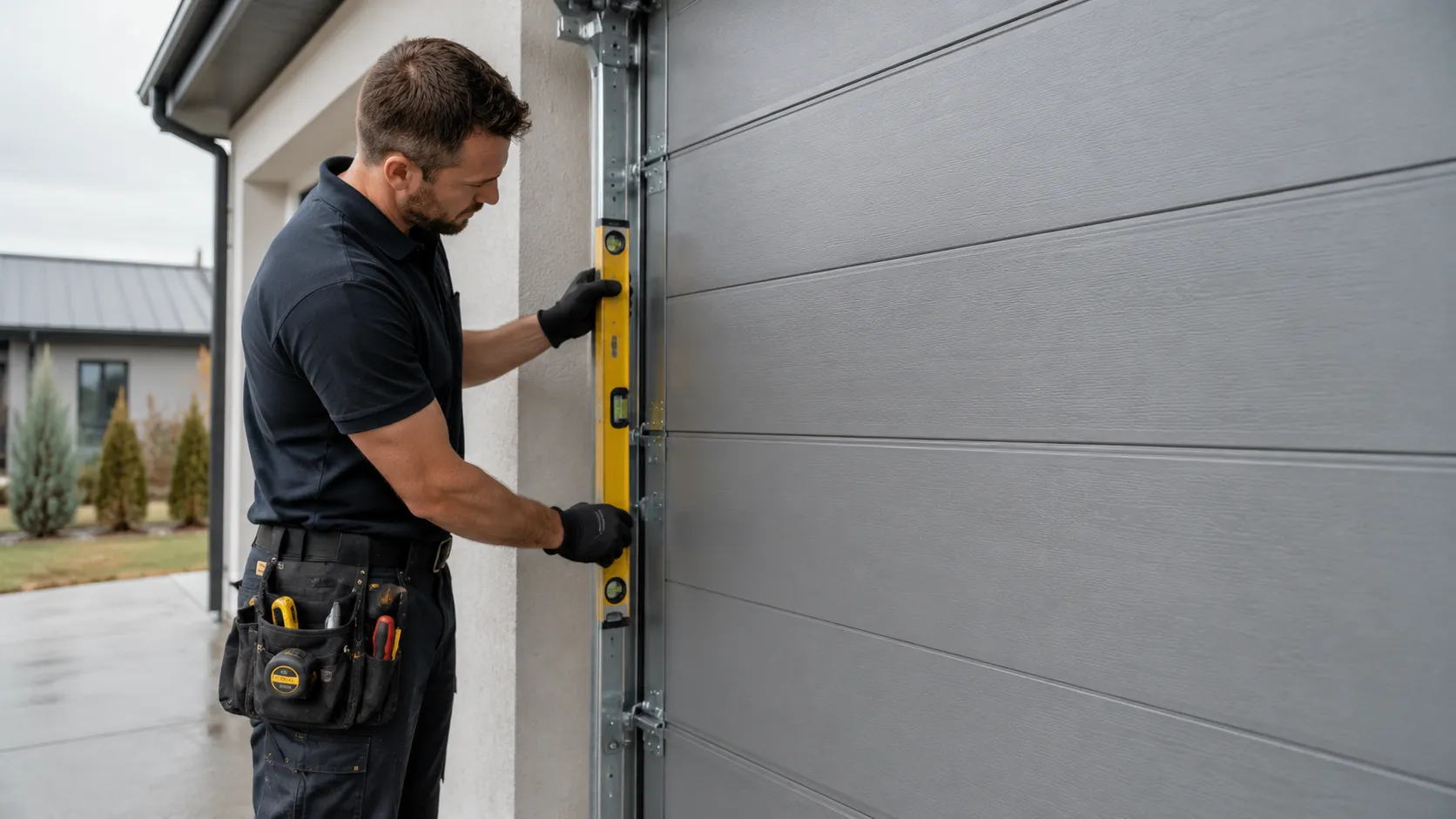
If you're feeling air move under or around your garage door, the seal is doing what old rubber and vinyl do: it's shrunk, cracked, or come loose from the track it sits in. This shows up constantly in Danville because most of the housing stock here was built between 1938 and 2008, with the median home going up around 1972. A door installed or last resealed in that era used a thinner bottom astragal and side seals than what's made today, and those materials harden with age regardless of how well the door itself still runs.
The draft usually isn't one problem. It's the bottom seal flattened from decades of the door rolling over the same threshold groove, side seals pulled away from the track where the frame has shifted slightly, and sometimes a top seal that was never replaced when the door was.
On a 1960s or 70s build, you're also dealing with original wood jambs that have moved a little over fifty-plus years, so the seal that fit tight when it was installed no longer sits flush. That gap is where the air, dust, and light come through.
What Local Conditions Do
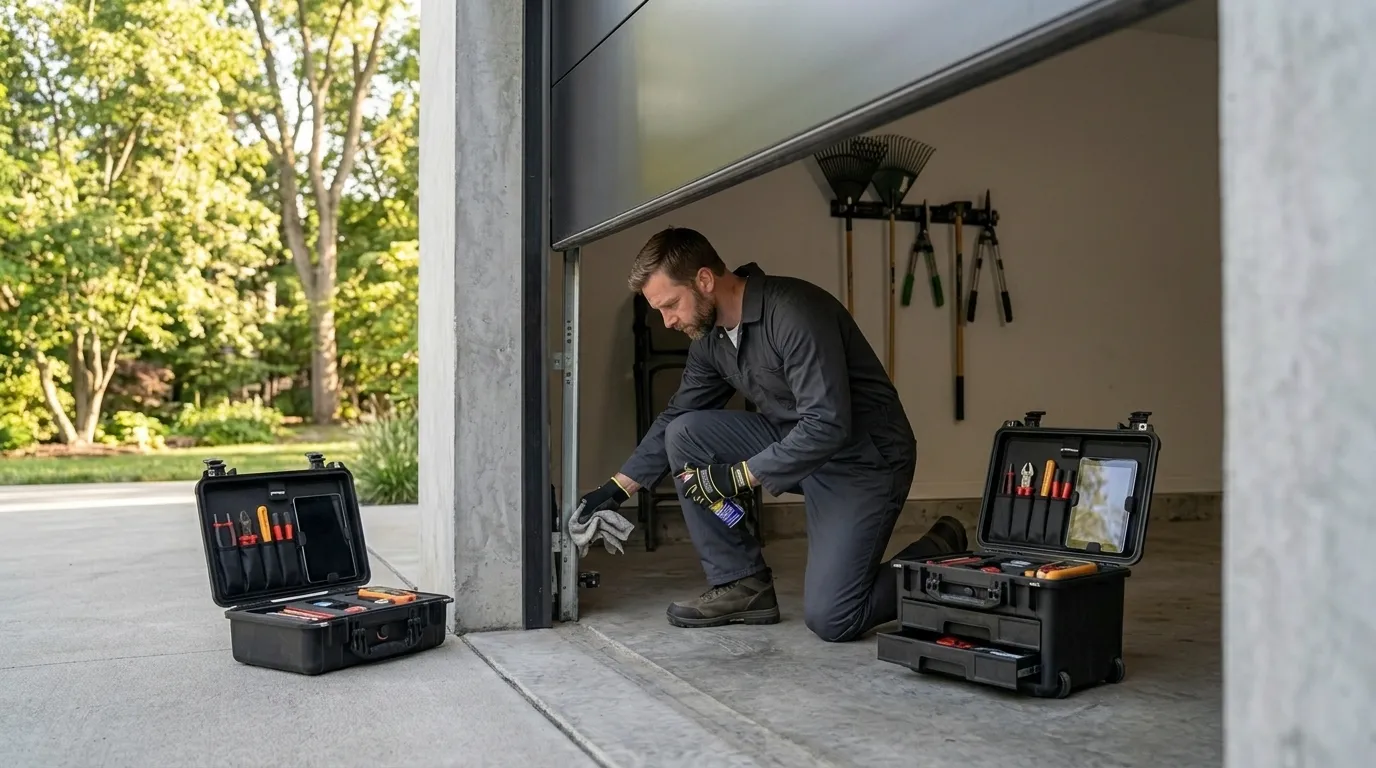
Danville sits in a mild temperate climate band, so we're not talking about the freeze-thaw cracking that tears seals apart in colder regions. What we see instead is slower, steady breakdown: UV and daily temperature swings drying out the rubber compound over years rather than one hard winter finishing it off. That's actually a point in your favor if you're maintaining the door, because a reseal here tends to last, provided the door and track are square to begin with.
The age spread matters more than the weather does. Homes from the 1960s and 70s wave that makes up most of the local stock, and similar-era houses out toward Blackhawk, Alamo, and Diablo, often still have the original wood jamb the door seals against.
Wood moves with humidity and settling even in a mild climate, so the seal channel can be slightly out of true even on a door that otherwise operates fine. A new seal pressed into an uneven channel will draft again within a season, which is why fitting the jamb line matters as much as the seal material itself.
When to Get Help
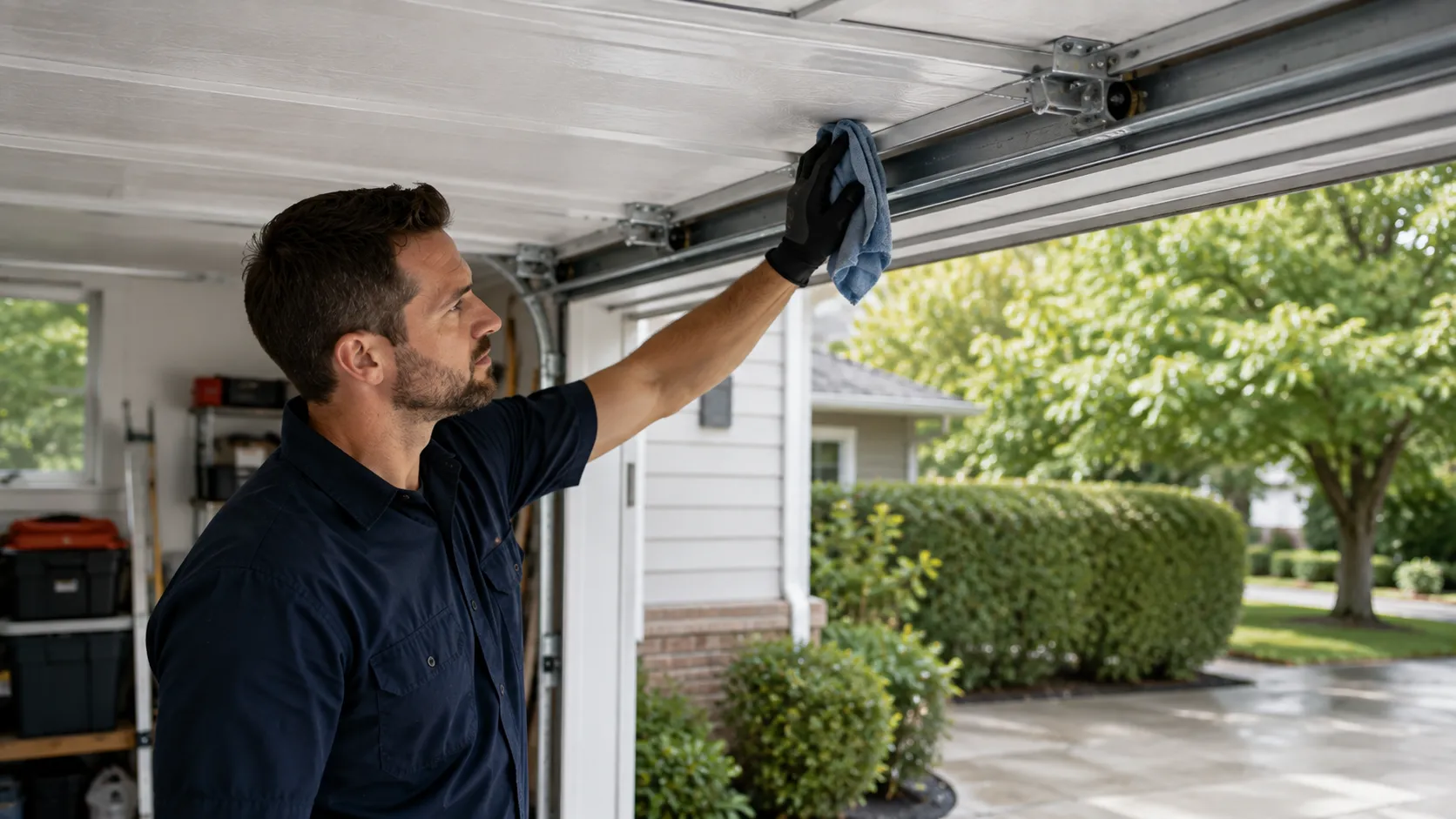
Call if you can see daylight along the bottom or sides of the closed door, if you feel a steady draft at floor level, or if leaves and dust are getting in along the edges. Those are seal and fit issues, and they're a straightforward job.
Call sooner if the draft is uneven, worse on one side than the other, or if the door looks like it's sitting crooked in the opening. On the older jamb framing common across this area's 1960s and 70s houses, that unevenness is often the frame itself, not just worn rubber, and swapping the seal alone won't fix it.
One thing we won't do is sell you a new seal kit if the jamb itself has rotted or warped enough that nothing will seat against it cleanly. That's a carpentry repair to the framing, not a garage door job, and we'll tell you that up front rather than install a seal that fails again in a few months.
The Cost of This Job
We don't have a set number to quote here without seeing the door, so we won't put one on this page. What we can tell you is what drives the range: a straight bottom-seal swap on a door that's still square is the smallest job we do.
Add side and top seals, or a door where the track has drifted enough to need adjustment along with the seal, and the job grows from there. On the older wood-jamb homes common through the 1960s and 70s stock here, if the jamb needs shimming or the channel needs to be re-cut to seat the new seal properly, that adds labor beyond the material cost.
The honest version: seal replacement is one of the cheaper calls we take, and it's rarely worth putting off, since a failed seal lets in water and pests along with the draft. Ask for the number when we're on site looking at your specific door and jamb, not before.
How We Can Help
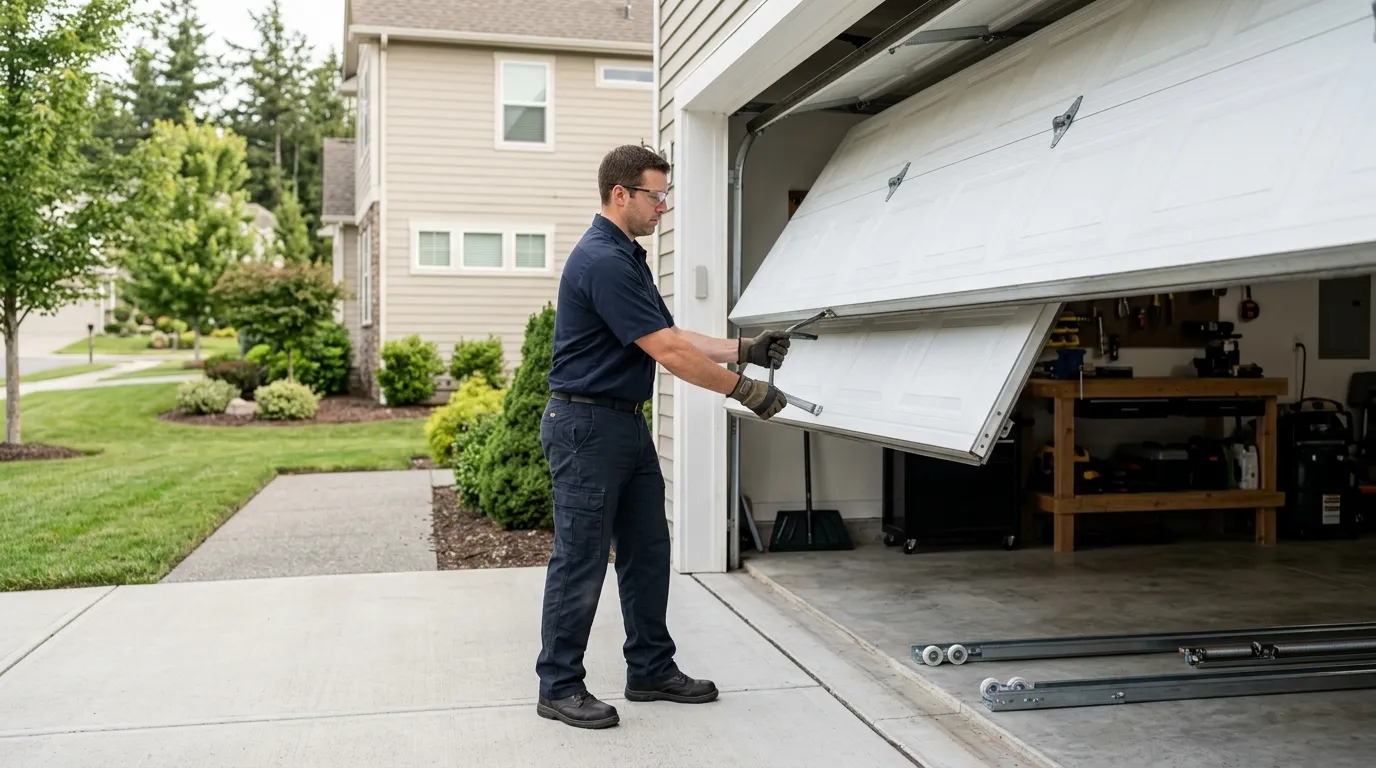
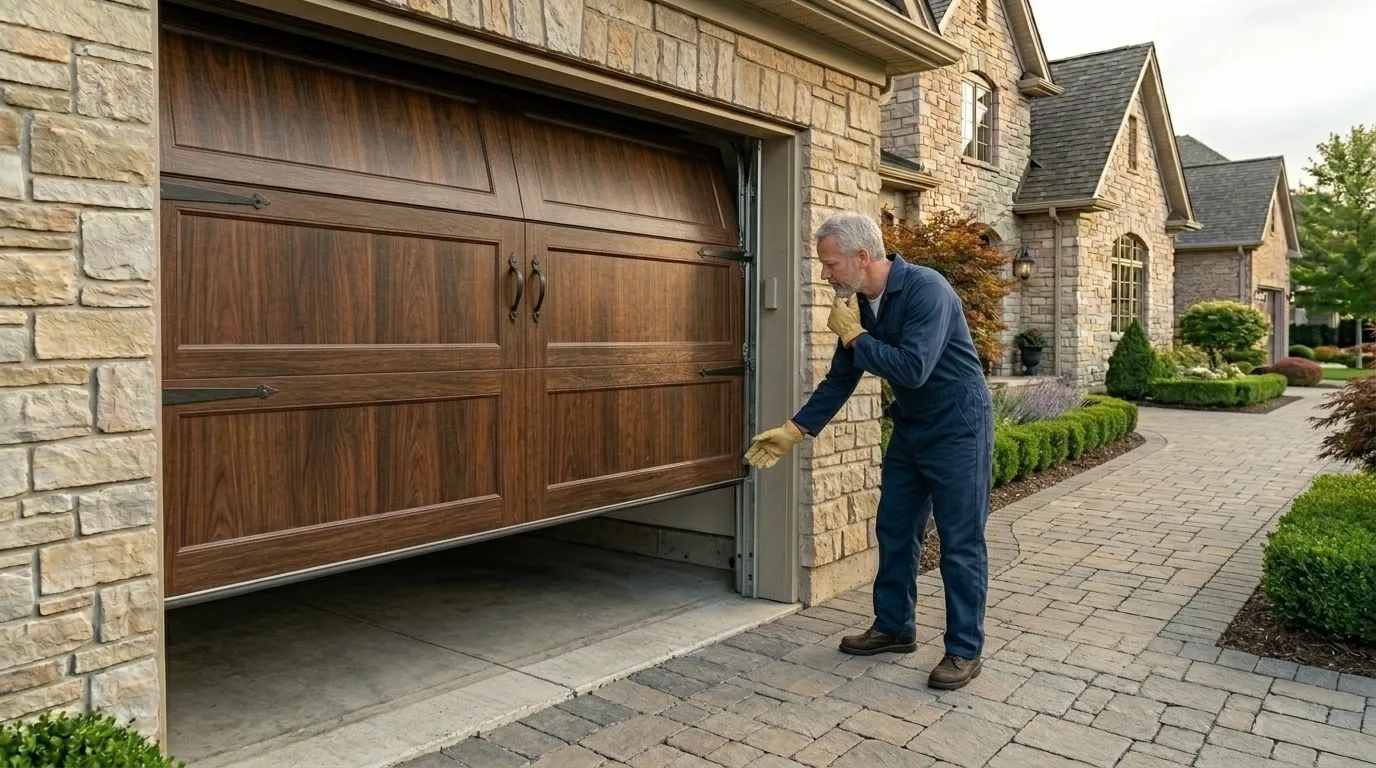
Garage Door Installation
New sectional doors sized and installed for the housing stock actually built in this area.
Learn more →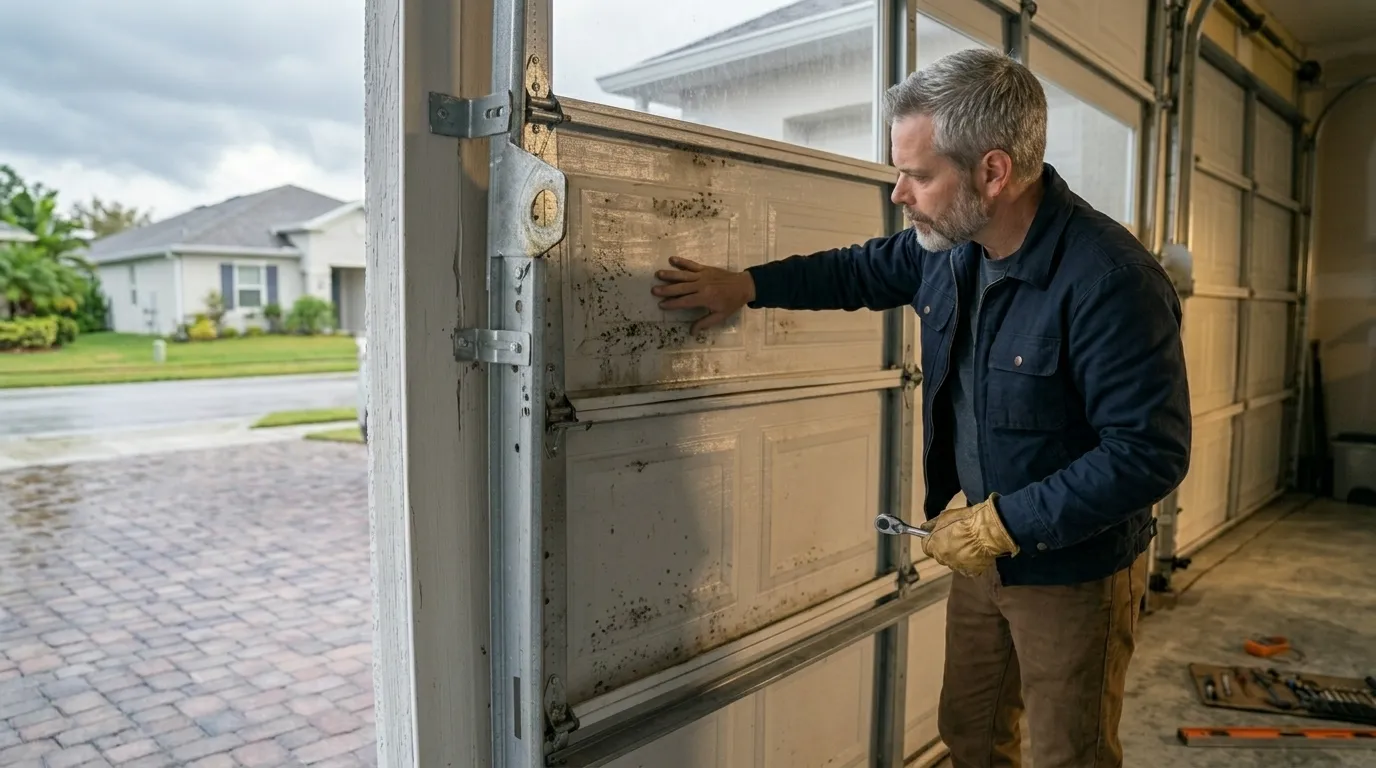
Garage Door Repair
Springs, cables, tracks, rollers, and openers fixed by a tech who explains the problem before touching anything.
Learn more →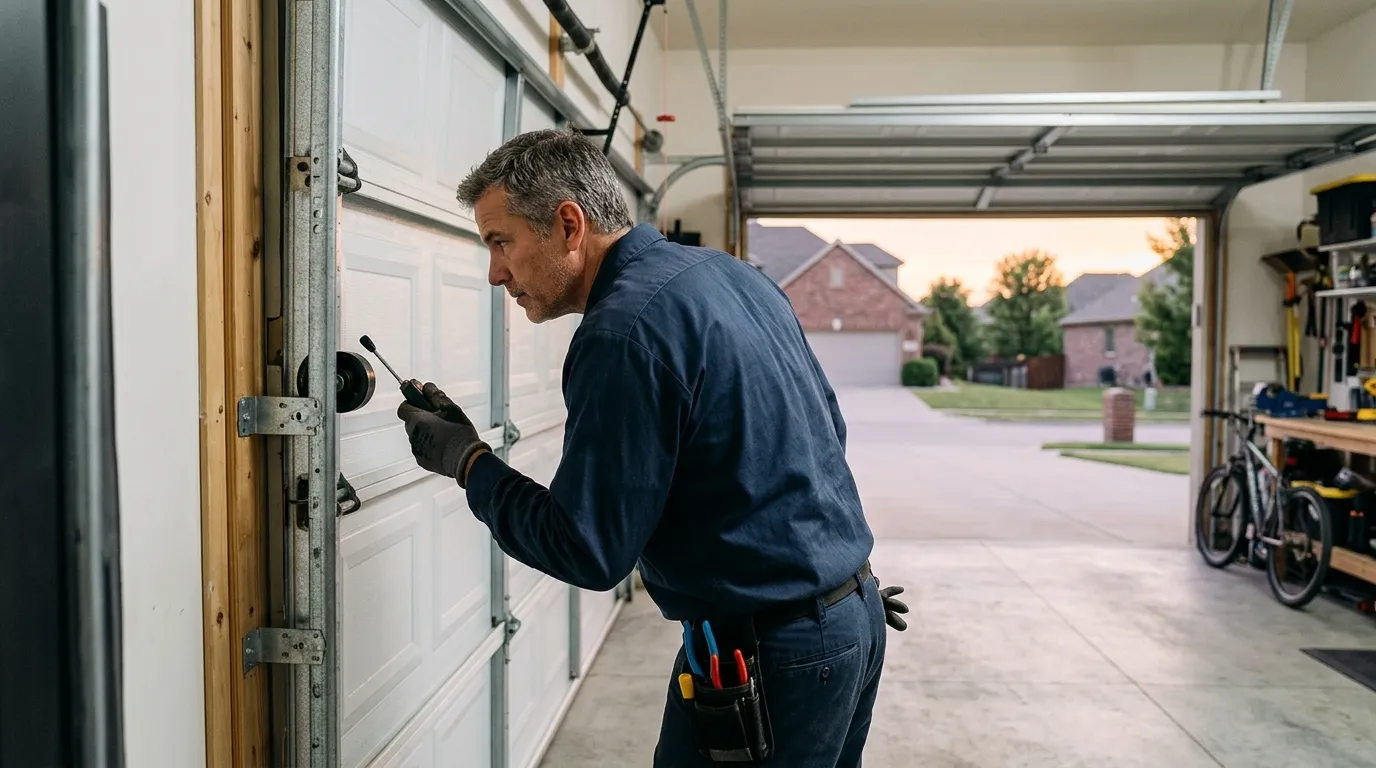
Garage Door Roller Replacement
Worn, noisy rollers swapped for smooth nylon ones so the door runs quiet.
Learn more →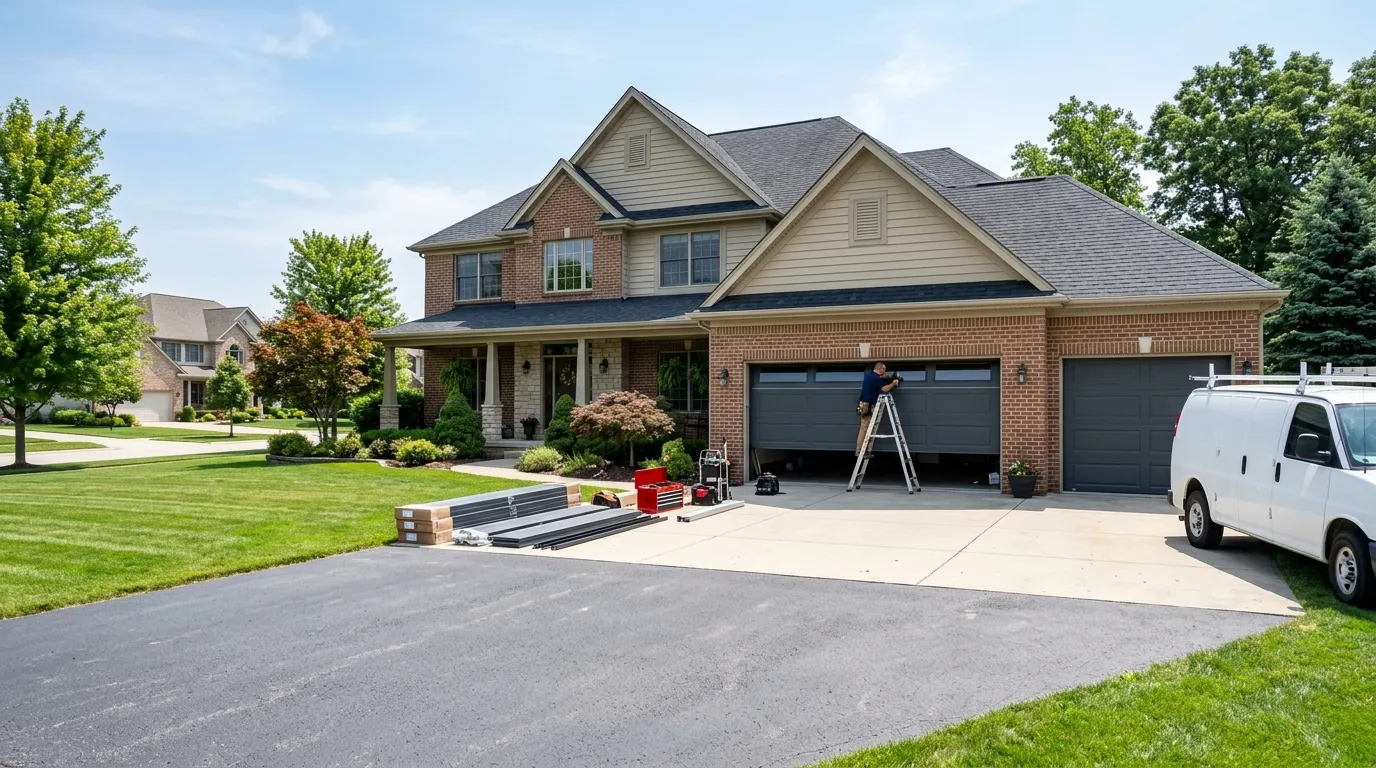
Garage Door Opener Installation
New openers sized to your door and set up with the safety sensors dialed in.
Learn more →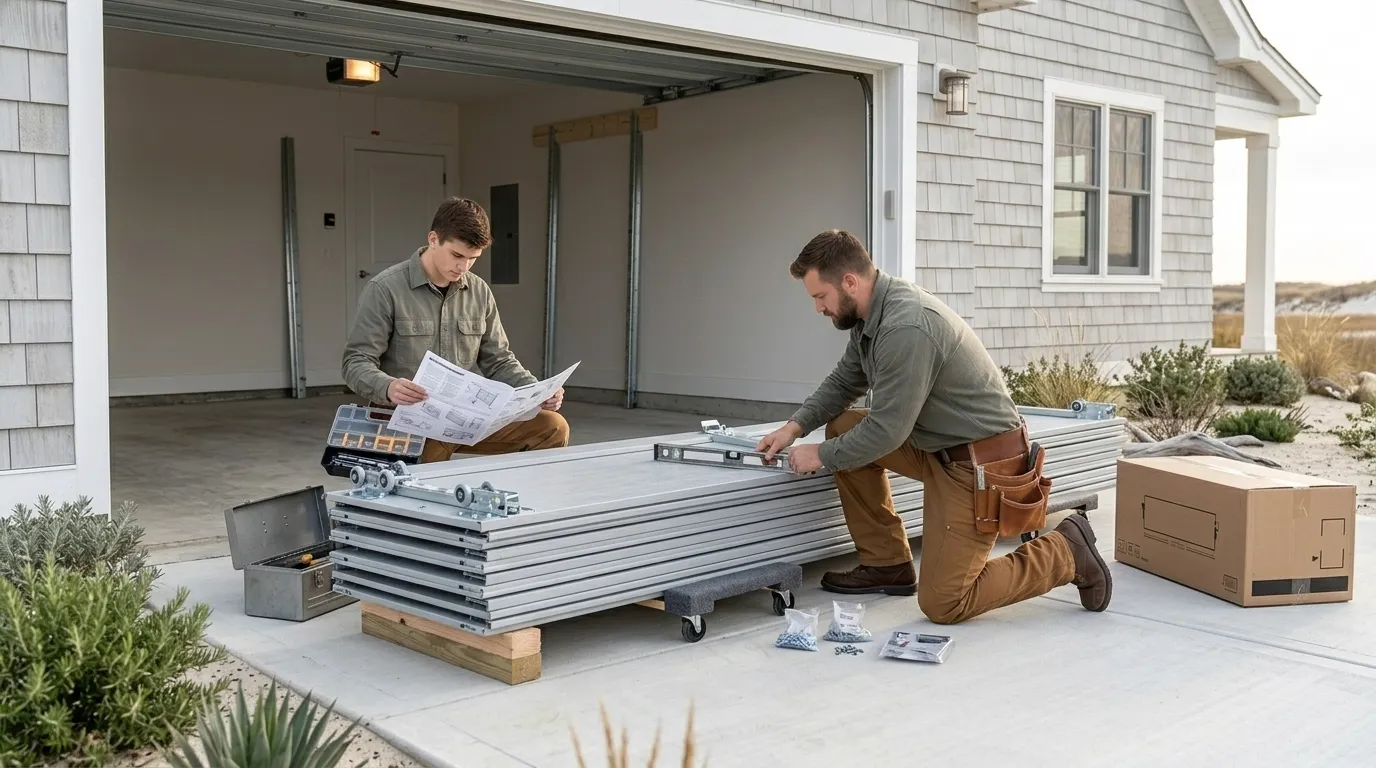
Garage Door Service
Tune-ups, lubrication, and safety checks that catch a small problem before it becomes a service call.
Learn more →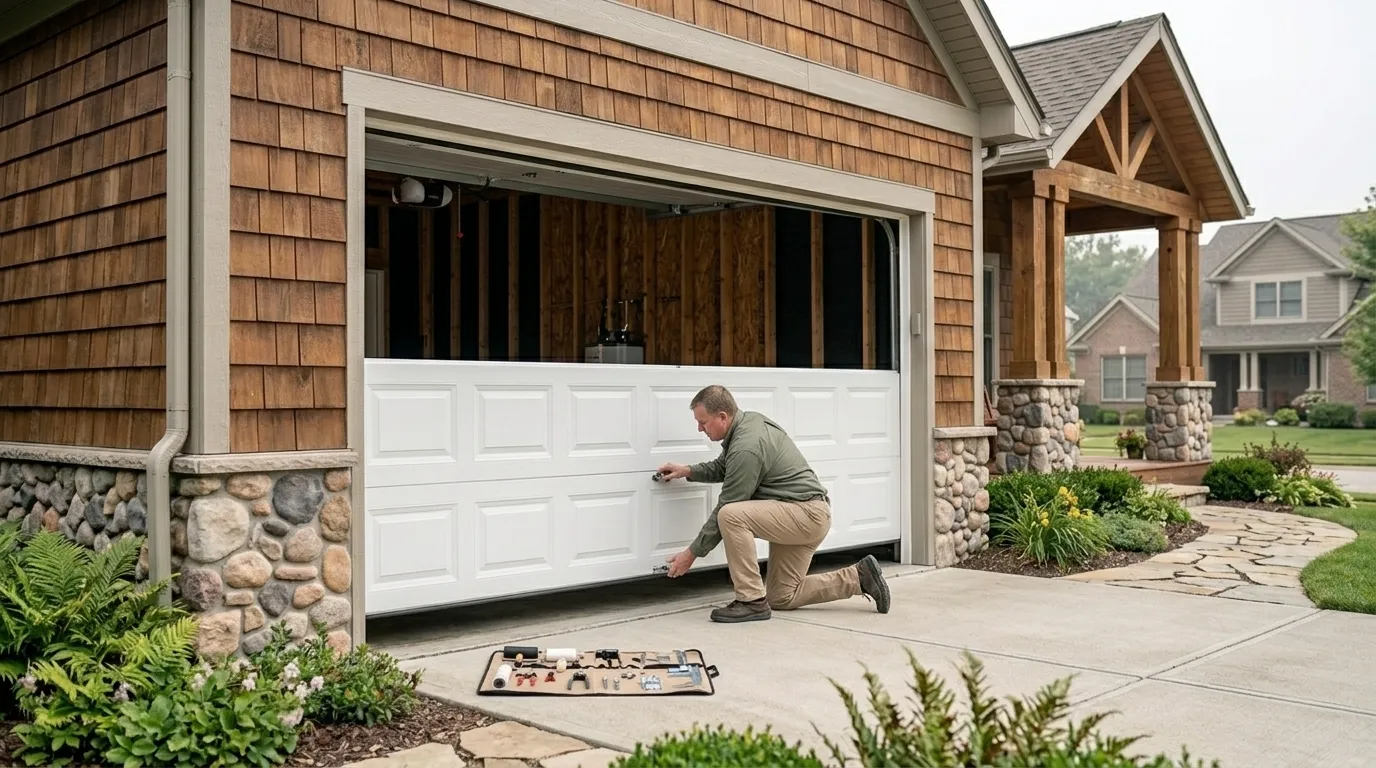
Garage Door Panel Replacement
Dented or cracked panels swapped without replacing the whole door where the frame is sound.
Learn more →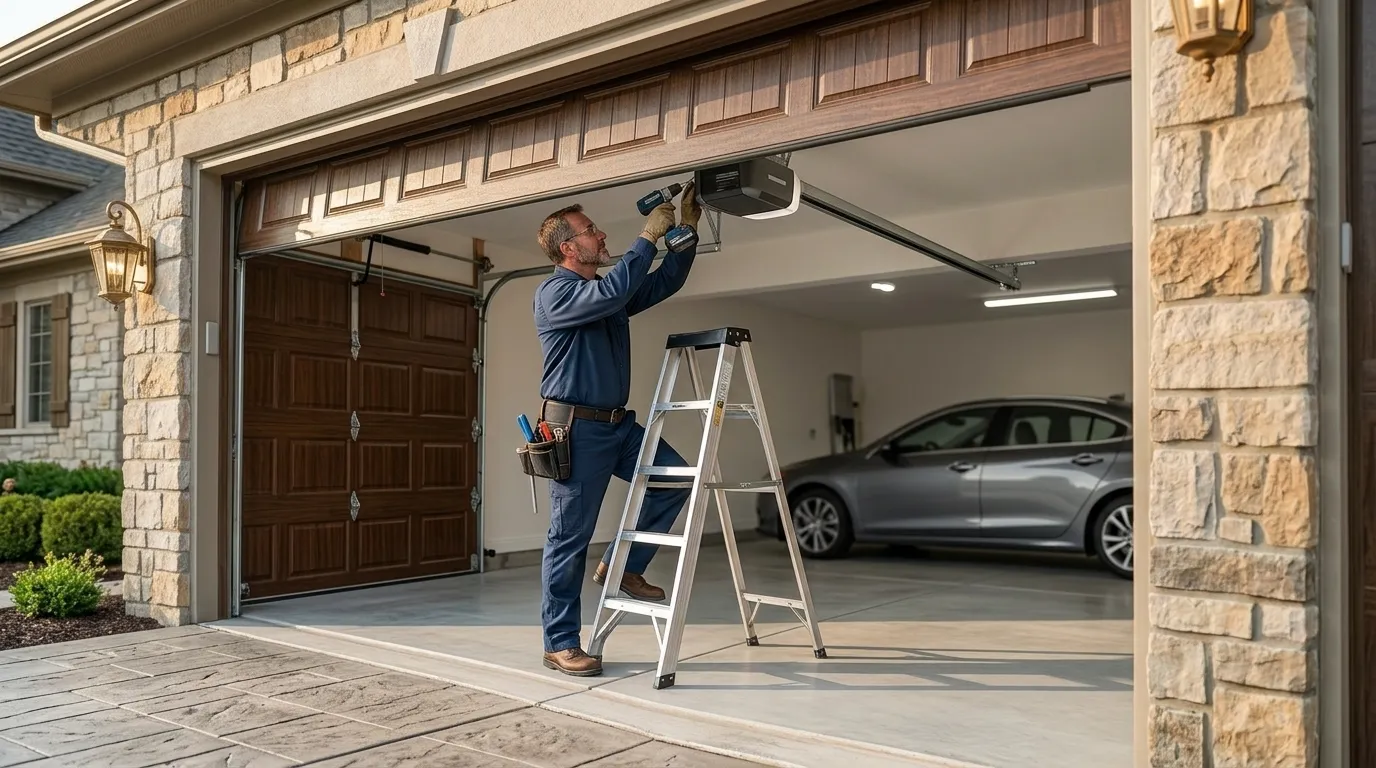
Garage Door Cable Repair
Frayed or snapped lift cables replaced and tensioned so the door lifts level and safe.
Learn more →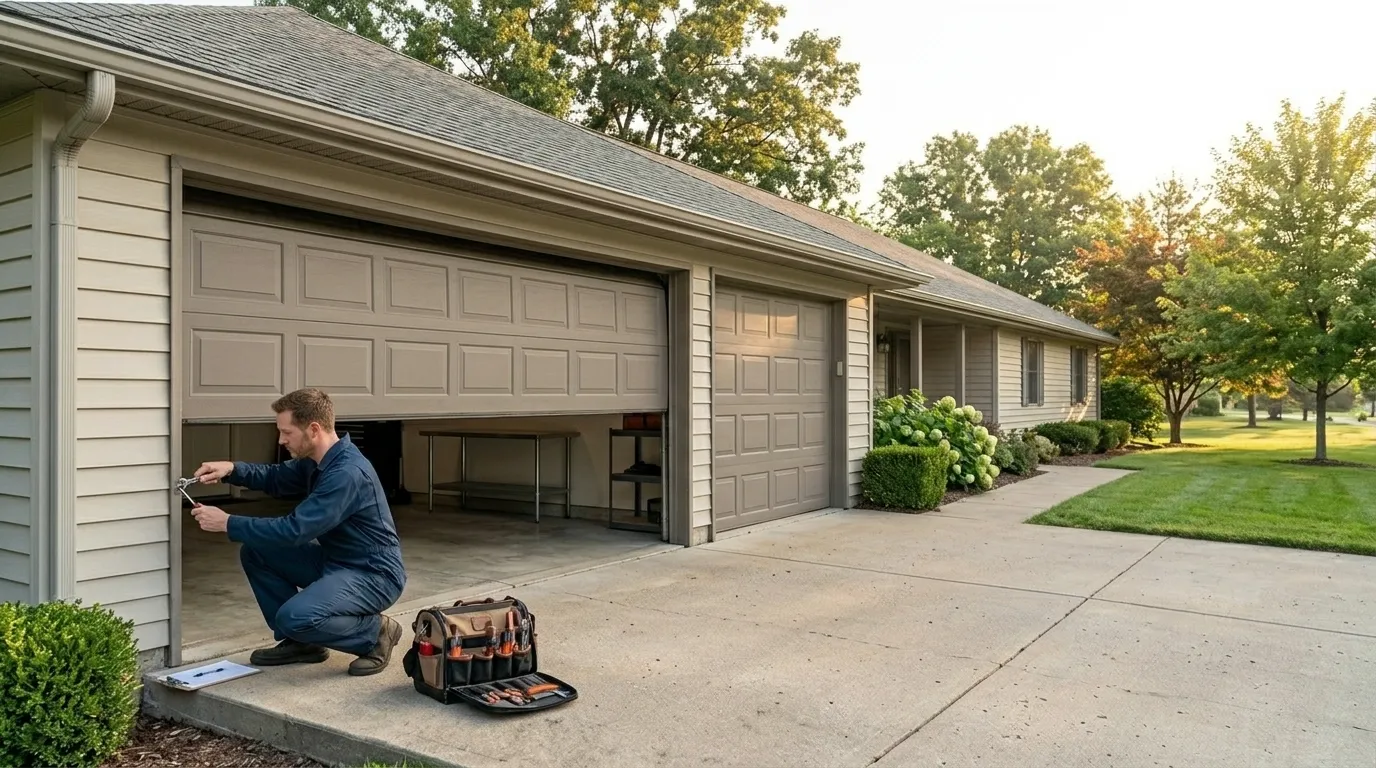
Commercial Garage Door
Commercial Garage Door handled by trained, insured local technicians with upfront pricing.
Learn more →Frequently Asked Questions
Why does my garage door only draft on one side?
Usually the seal on that side has pulled away from the track, or the frame has settled unevenly over the decades, which is common in the 1960s and 70s houses that make up most of Danville. Uneven drafting almost always means the fit is off, not just the rubber.
Does Danville's climate wear out seals faster?
No. Danville sits in a mild temperate band, so we don't get the freeze-thaw cycling that cracks seals quickly elsewhere. What we do see is slow breakdown from age and sun exposure, which tracks with how old the door and its original seals are, not with harsh weather.
My house was built in the 1970s. Is the seal issue different for me?
Often, yes. A lot of the local stock from that era still has original wood jambs, and wood shifts over fifty years even without weather extremes. That means the seal channel itself may be out of true, so a straight seal swap sometimes isn't enough on its own.
Can I just caulk the gap instead of replacing the seal?
Caulk will block a draft short-term but it won't hold up to a door opening and closing daily, and it can gum up the track. It's a stopgap, not a fix, especially on an older jamb where the real issue is fit, not just a gap to fill.
Have a Door That Needs a Second Opinion?
Call and describe what it is doing - we will tell you what it likely is.