
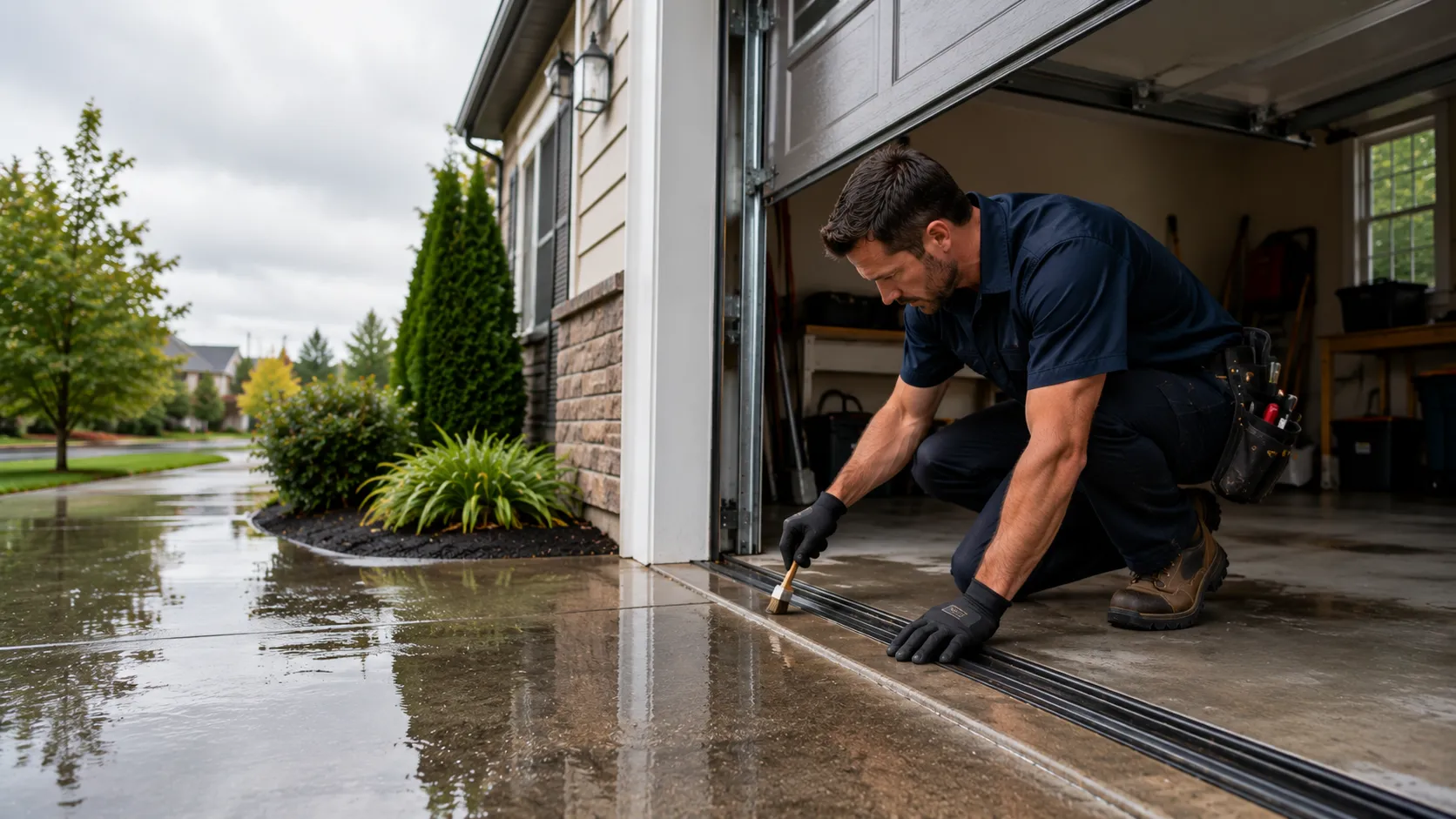
Danville Garage Door Guide
Is Your Danville Garage Door Worth Fixing, or Time to Replace
Danville homes mostly date to the 1960s and 70s. Here's how that housing stock and our mild climate decide whether your garage door is worth repairing.
- Licensed & Insured
- Same-Area Service Calls
- Upfront Pricing
What Is Going On
Most of the housing stock around Danville went up between 1938 and 2008, with the bulk of it clustered in the 1960s and 70s. That matters more than people think when a door starts acting up. A door from that era was likely built with steel that's thinner than what's sold today, and the track and hardware were sized for a lighter panel than the insulated doors homeowners often ask us to match it against now.
" A door original to a 1965 build has had decades of thermal cycling, however mild, plus the wear of thousands of open-close cycles on hardware that was never rated for today's heavier openers. Some of these doors are still solid.
Some have tracks that were bent by a previous owner's opener retrofit and never fully straightened. You can't tell which one you have from the driveway.
What Local Conditions Do
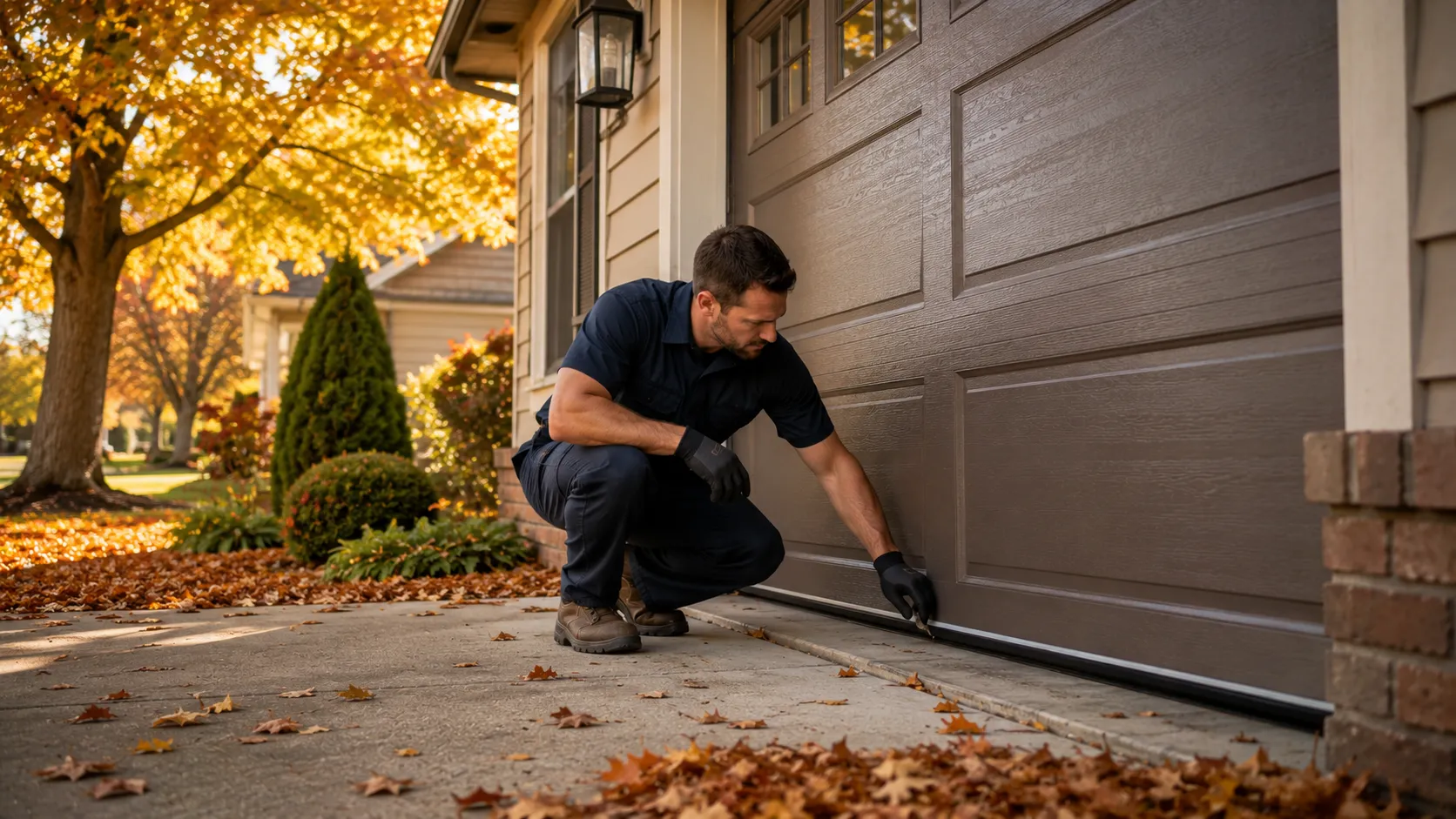
Danville sits in a mild temperate band, which is the good news - you're not dealing with the freeze-thaw cycles that crack door panels or the coastal salt air that eats galvanized hardware in a few years. That's part of why so many doors from the 1960s and 70s stock are still on their original tracks and drums decades later. The metal isn't fighting extreme swings.
What mild climate doesn't fix is age. A torsion spring is rated for a number of cycles, not a number of years, and a door installed when a house was built in 1968 has been through that count regardless of how gentle the weather's been.
The same goes for rollers and cables - mild conditions slow corrosion, they don't stop wear. So the deciding factor here isn't storm damage, it's mileage: how many times has this door gone up and down, and how much of the original hardware is still under it.
When to Get Help
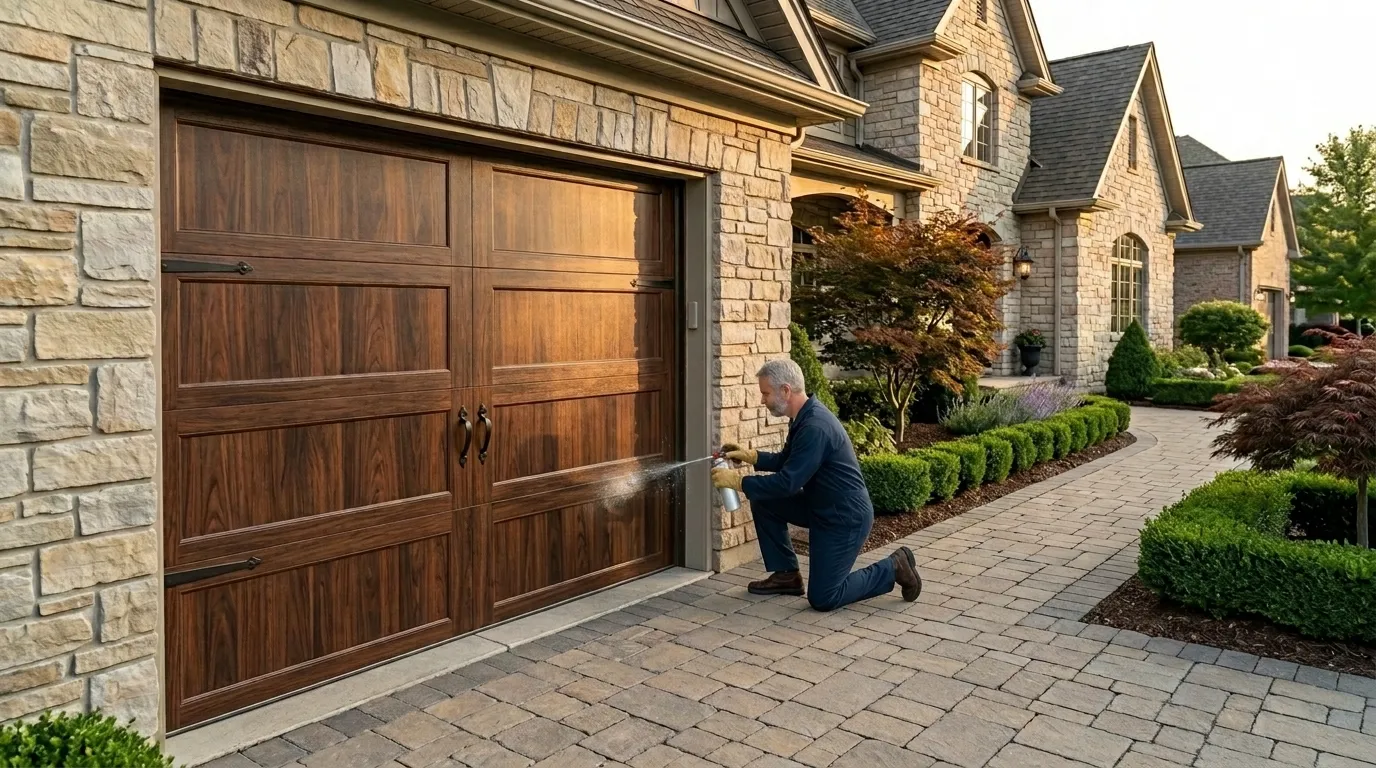
Call before the door fails all the way, not after. A door that's noticeably heavier on one side, that drops the last foot instead of settling, or that the opener strains against - that's a spring going, and running it past that point risks the cable jumping the drum or the panel racking on the track.
If your house falls into that common 1960s-70s bracket, ask what's original. A torsion spring, a set of rollers, or a section of track from that period is worth a look before you assume the whole door needs to go.
Often a single component swap gets another decade out of a door that's structurally fine. Where I'd tell you to stop and consider replacement instead: if the door itself is a single-layer panel from that era with no insulation and visible rust-through at the bottom section, patching hardware onto a failing panel is just deferring the same call a year or two out.
The Cost of This Job
I can't quote a number here without seeing the door - spring size, track condition, and whether the opener is original all change the job. What I can tell you is how we think about it on a house from this area's typical build years: if the panel and frame are sound and it's a spring, roller, or cable failure, repair almost always makes more sense than replacement. You're paying for parts and labor, not a new door and reinstall.
Where the math flips is when the door itself - not just the hardware - is the problem. Rust through the bottom panel, a track that's been bent and rebent, or a door frame that's shifted with the house's foundation over fifty-plus years pushes you toward replacement, because you'd be putting new hardware on a door that's still failing underneath it.
One thing I won't do is sell a repair I don't think will hold. If it's borderline, I'll say so and let you decide.
How We Can Help
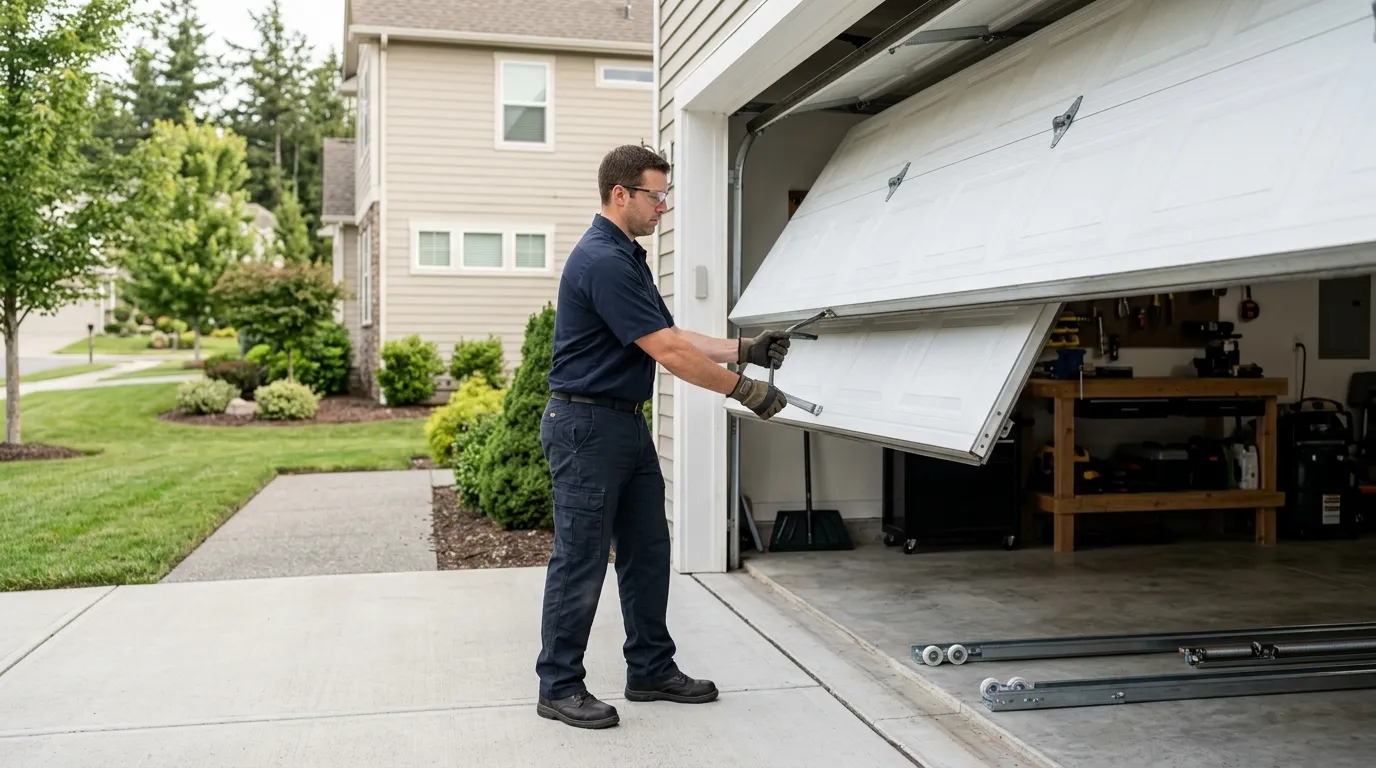
Garage Door Installation
New sectional doors sized and installed for the housing stock actually built in this area.
Learn more →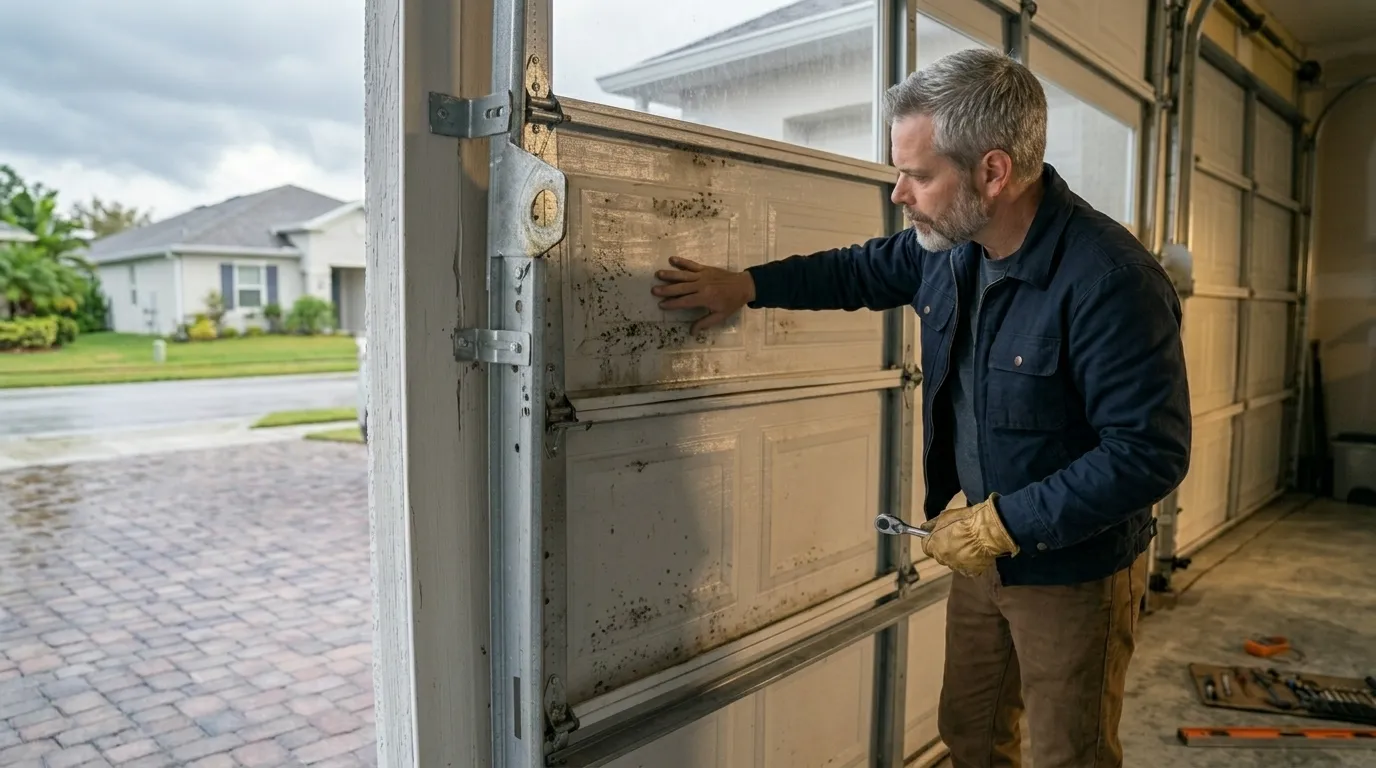
Garage Door Repair
Springs, cables, tracks, rollers, and openers fixed by a tech who explains the problem before touching anything.
Learn more →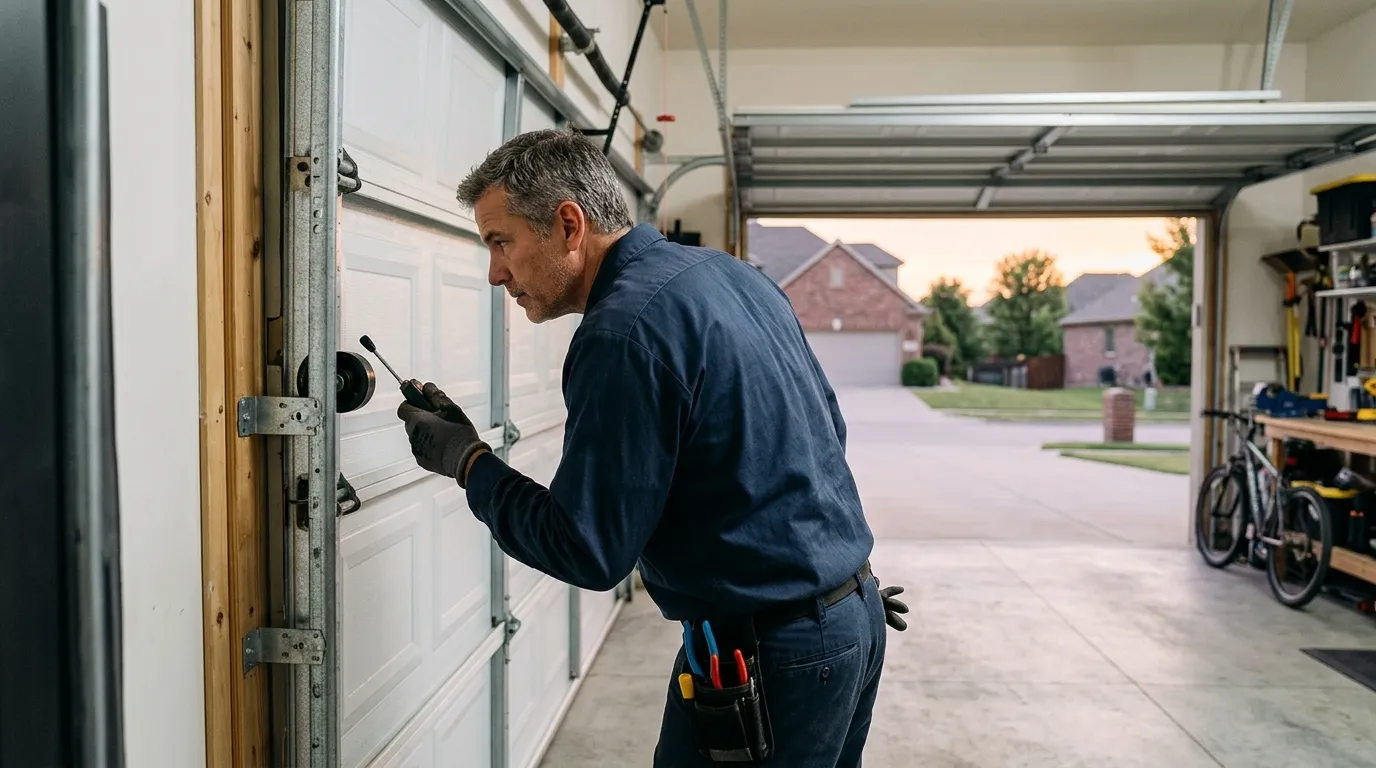
Garage Door Roller Replacement
Worn, noisy rollers swapped for smooth nylon ones so the door runs quiet.
Learn more →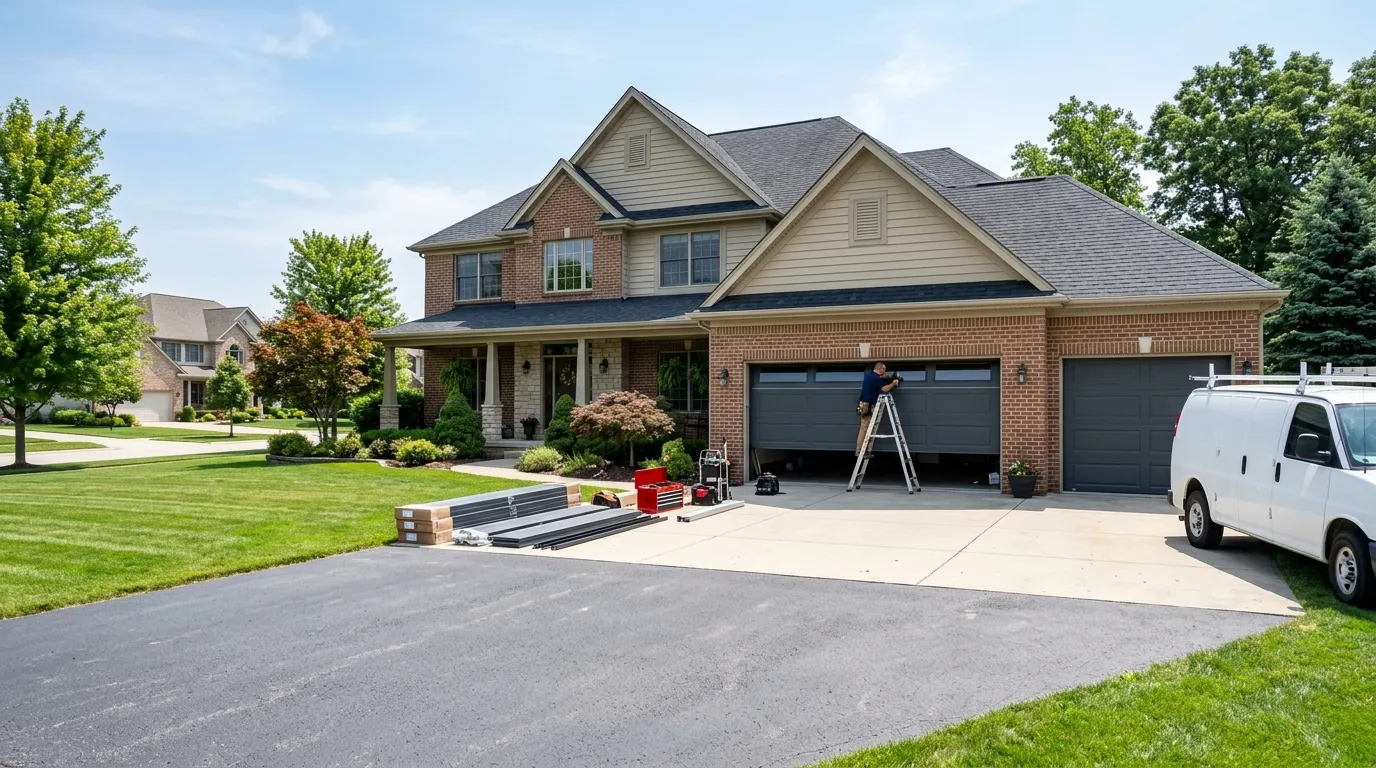
Garage Door Opener Installation
New openers sized to your door and set up with the safety sensors dialed in.
Learn more →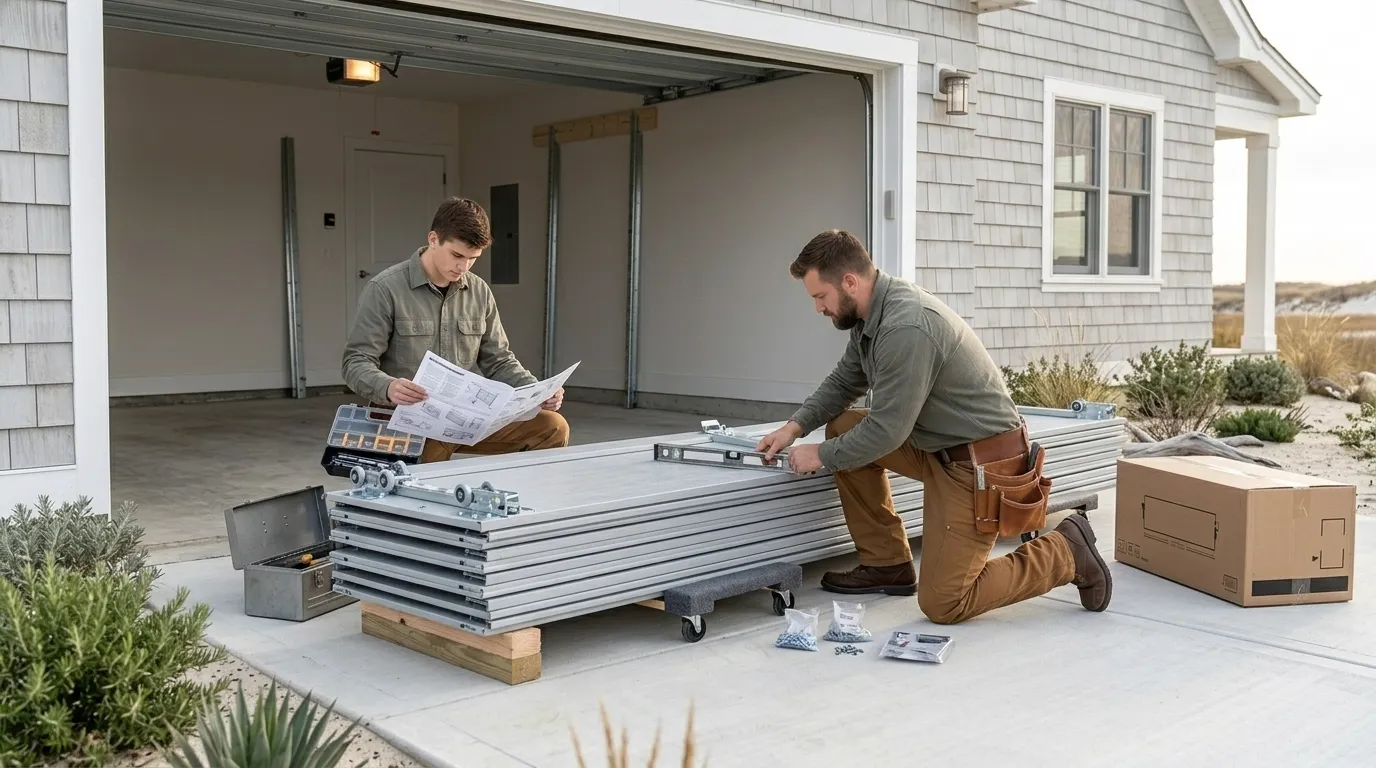
Garage Door Service
Tune-ups, lubrication, and safety checks that catch a small problem before it becomes a service call.
Learn more →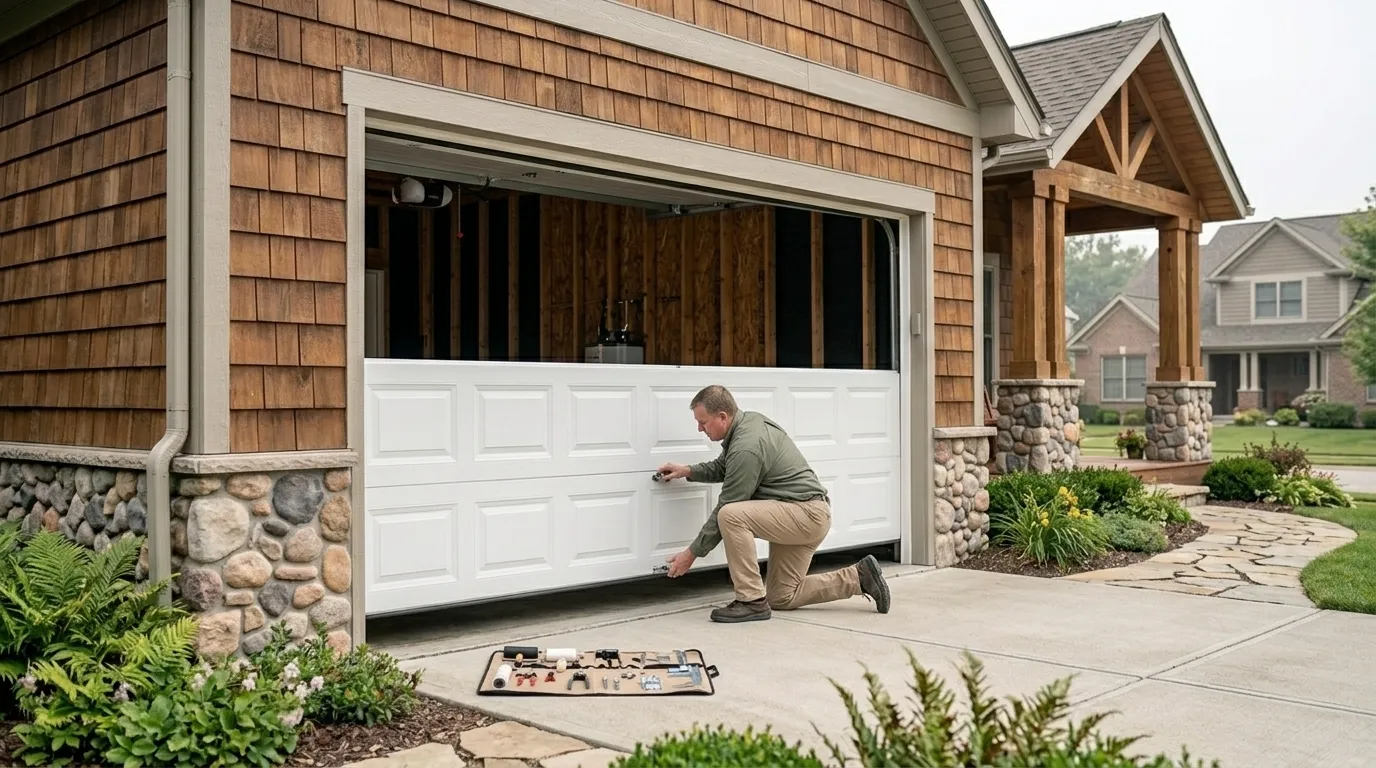
Garage Door Panel Replacement
Dented or cracked panels swapped without replacing the whole door where the frame is sound.
Learn more →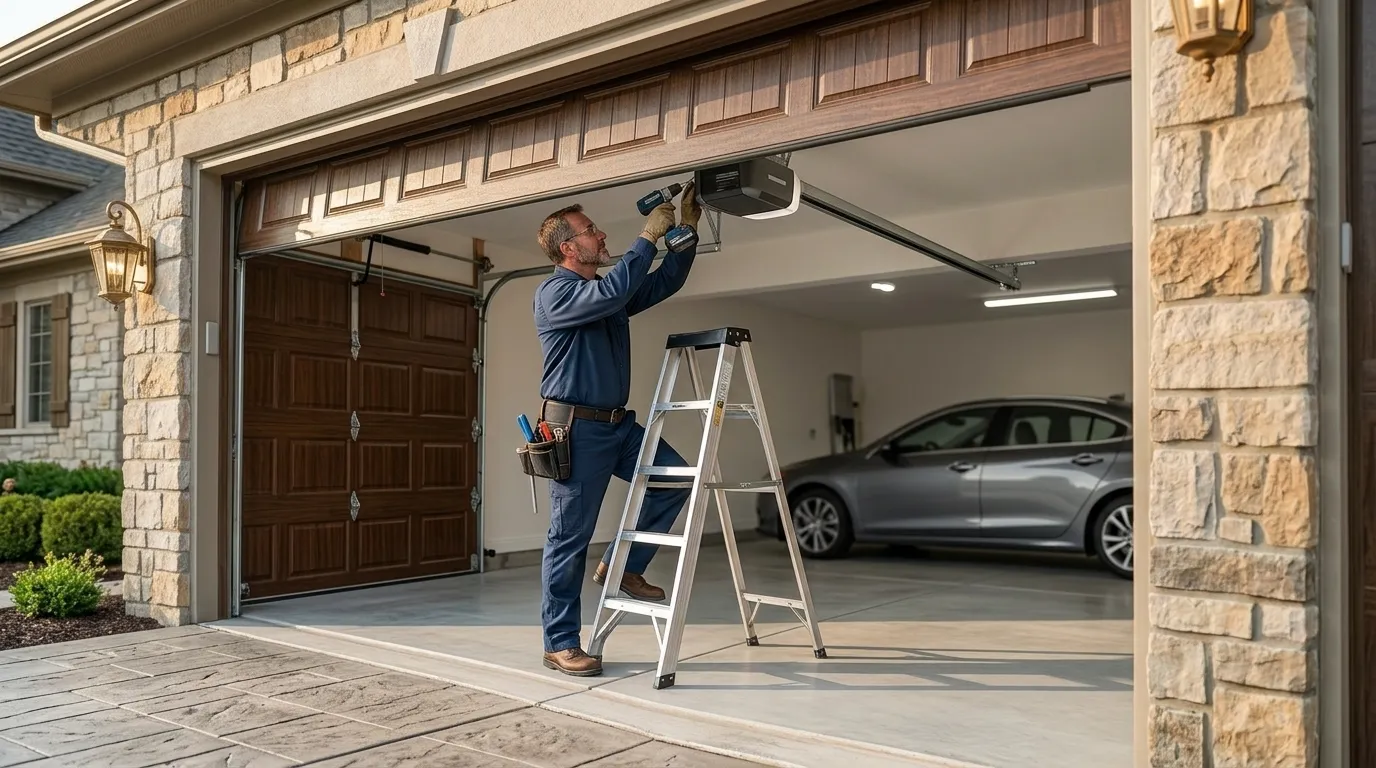
Garage Door Cable Repair
Frayed or snapped lift cables replaced and tensioned so the door lifts level and safe.
Learn more →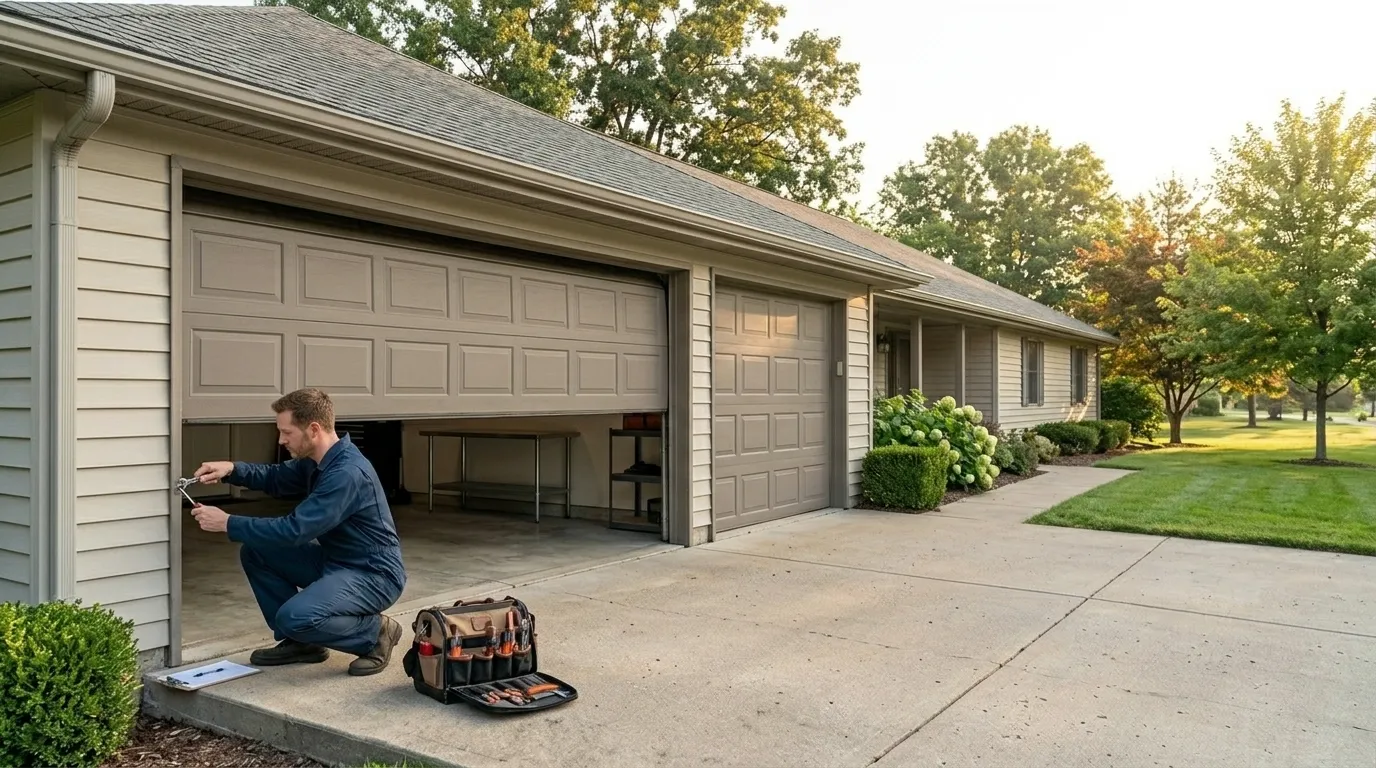
Commercial Garage Door
Commercial Garage Door handled by trained, insured local technicians with upfront pricing.
Learn more →Frequently Asked Questions
My house was built in the late 1960s - is the garage door probably original?
It's possible, especially if no one's mentioned replacing it. A lot of houses in this area's common 1960s-70s bracket still have original track and drum hardware even if the opener was swapped later. Worth checking the spring and rollers specifically, since those wear out well before the door frame does.
Does Danville's weather cause garage door problems?
Not in the way harsh climates do. The mild temperate conditions here mean you're not fighting freeze cracks or heavy salt corrosion. Most issues we see are age and cycle-count related - spring fatigue and worn rollers - rather than weather damage.
How do I know if it's the spring or the opener?
If the door feels heavy when you lift it by hand with the opener disconnected, that's a spring problem, not an opener problem. An opener straining but the door moving easily by hand usually points to a gear or capacitor issue in the opener itself.
Is it ever not worth fixing an older door?
Yes. If the panel has rust-through at the bottom section or the frame has shifted enough that the door doesn't sit square, hardware repairs won't hold long term. At that point you're better off putting the money toward a new door instead of patching one that's still failing underneath.
Have a Door That Needs a Second Opinion?
Call and describe what it is doing - we will tell you what it likely is.