Danville Garage Door Guide
What Actually Happens During a Danville Service Call
A real look at what a Danville garage door service call includes, tied to the town's 1960s-70s housing stock and mild inland-valley climate.
- Licensed & Insured
- Same-Area Service Calls
- Upfront Pricing
What Is Going On
Most of the houses we get called to in Danville went up between 1938 and 2008, with the bulk of that stock dating to the 1960s and 70s. That matters more than people think. A door and opener installed on a house built in 1968 is not the same animal as one installed in 2005 - the track spacing, the spring type, and even the wall wiring for the opener can differ enough that a tech has to check before touching anything.
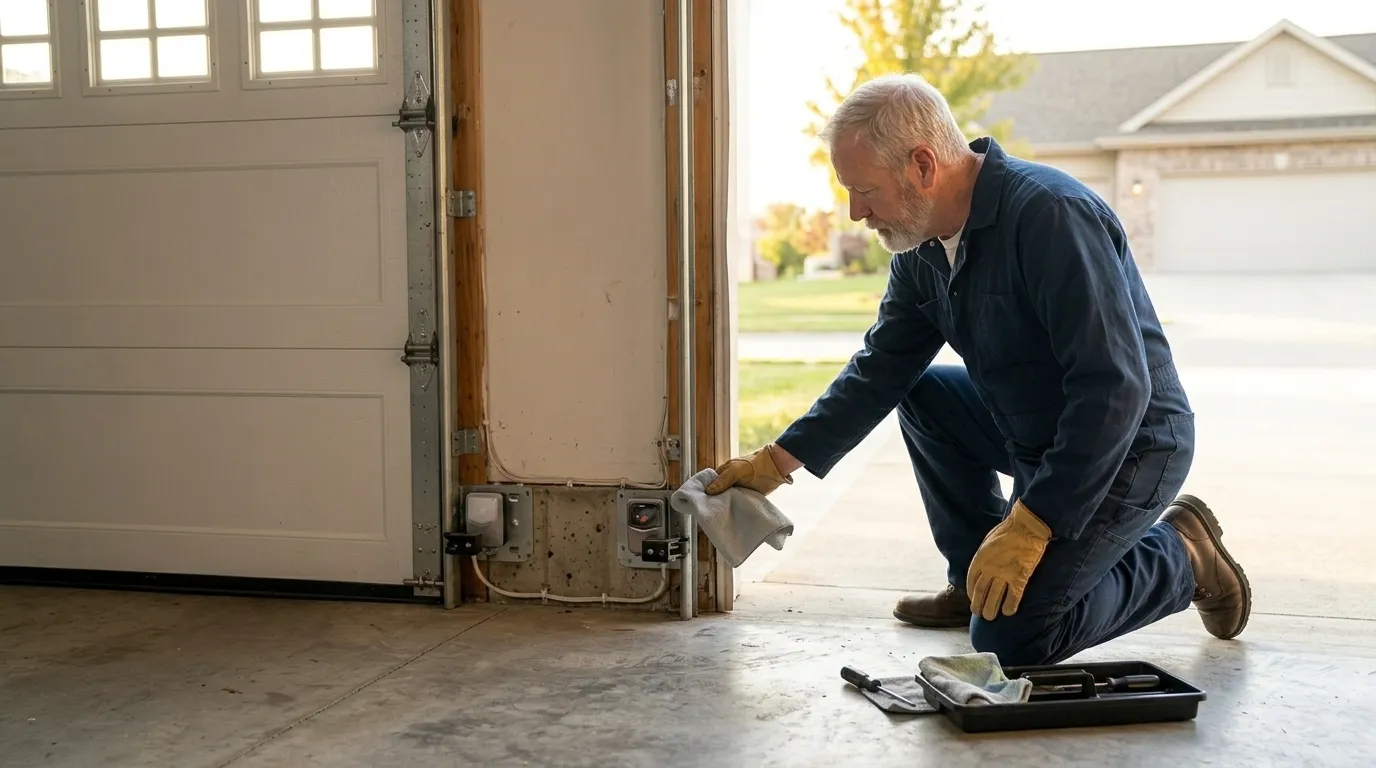
A service call starts with figuring out which era of hardware you're actually dealing with. We look at the spring configuration (torsion vs extension), the track mounting, and whether the opener has ever been swapped out from the original. On a lot of the older Danville stock, the door itself has been replaced at some point but the header bracket and track are original, which creates mismatches nobody notices until something breaks.
This isn't a five-minute glance. It's the part of the job that takes longest and matters most, because guessing wrong on spring weight or track alignment on a 50-plus year old header can turn a repair into a bigger job than it needed to be.
What Local Conditions Do
Danville sits in a mild temperate band - no hard freezes, no extreme heat swings that crack seals overnight. That's good news for the door itself; rubber weatherstripping and vinyl trim don't take the beating they would in a harsher climate zone. But mild doesn't mean nothing happens.
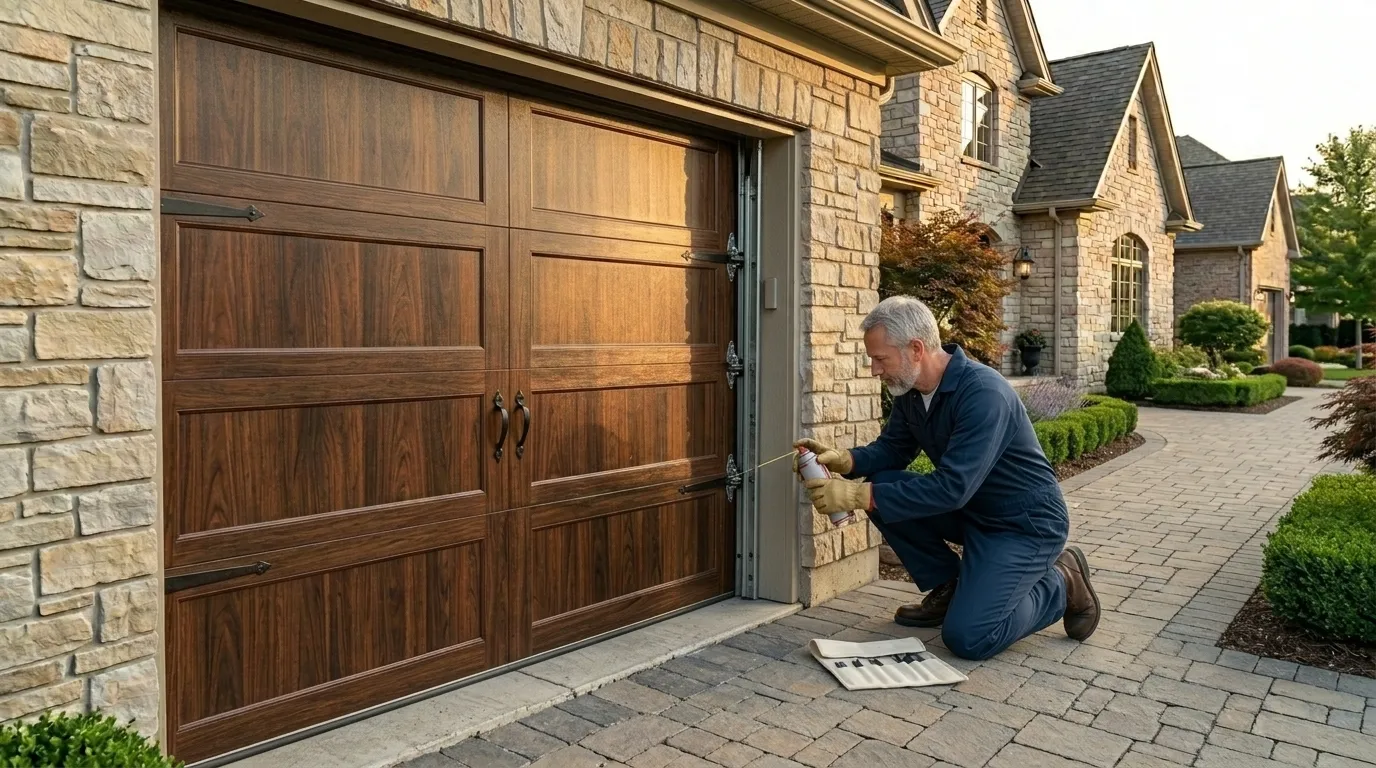
What we see more of here is slow wear from consistent daily temperature swings between valley mornings and afternoon heat, which over decades dries out lubricant on original torsion springs faster than owners expect. On houses from the 1960s-70s stock, that spring has often never been serviced, because nothing ever failed loudly enough to prompt a call.
A service call in this climate is less about storm damage and more about checking for the quiet stuff: dry bearings, a torsion spring that's lost tension without snapping, rollers that have flattened on one side from years of the same load pattern. We test cycle count and balance rather than looking for cracked panels or rust-through, because that's not what this climate does to a door.
When to Get Help
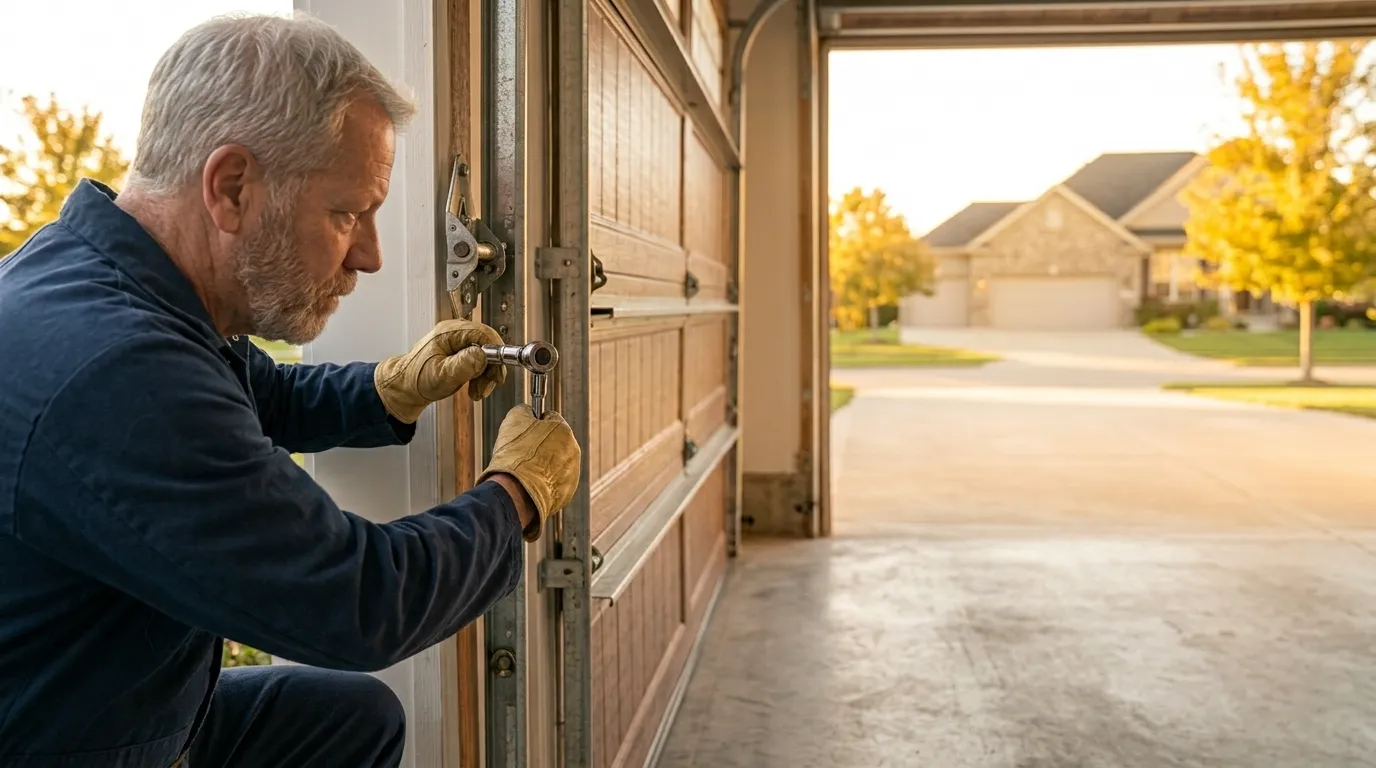
Call when the door starts making a different noise than it used to, when it hesitates partway up, or when you notice the opener straining longer than it should to finish a cycle. On older Danville homes especially, a door that's suddenly heavier to lift by hand usually means the torsion spring is losing tension - and that's a two-person, right-tool job, not something to test by hand repeatedly.
We'd rather get the call before the spring lets go than after. A spring that snaps under load can drop a door fast, and on houses built decades ago the surrounding hardware - brackets, header - may not be rated for whatever's been bolted on since.
One honest limit here: if your opener is original to a house built in the 1960s or 70s and it's never been replaced, we're often going to recommend swapping the opener rather than patching it. Parts for that era of motor and logic board are hard to source reliably, and chasing a intermittent fault on something that old usually costs more in visits than a new unit would.
The Cost of This Job
We don't have a fixed number to quote here, and we're not going to make one up. What we can say is that cost on a Danville call tracks closely with the age mismatch we find during inspection - a straightforward spring swap on a well-maintained newer setup is a different job than untangling an original 1970s track paired with a replacement door and a bolted-on modern opener.
Given that median household income across the area runs well above $140,000, we see more owners opt for full opener or hardware upgrades rather than patch repairs once a tech is already out - not because patching isn't an option, but because it often isn't the better one on hardware this old.
The real driver of price is what's underneath the surface problem, which is exactly why the inspection step in Section One isn't skippable. We'll tell you what we find before we touch anything, and if a repair isn't worth doing over replacement, we'll say so.
How We Can Help
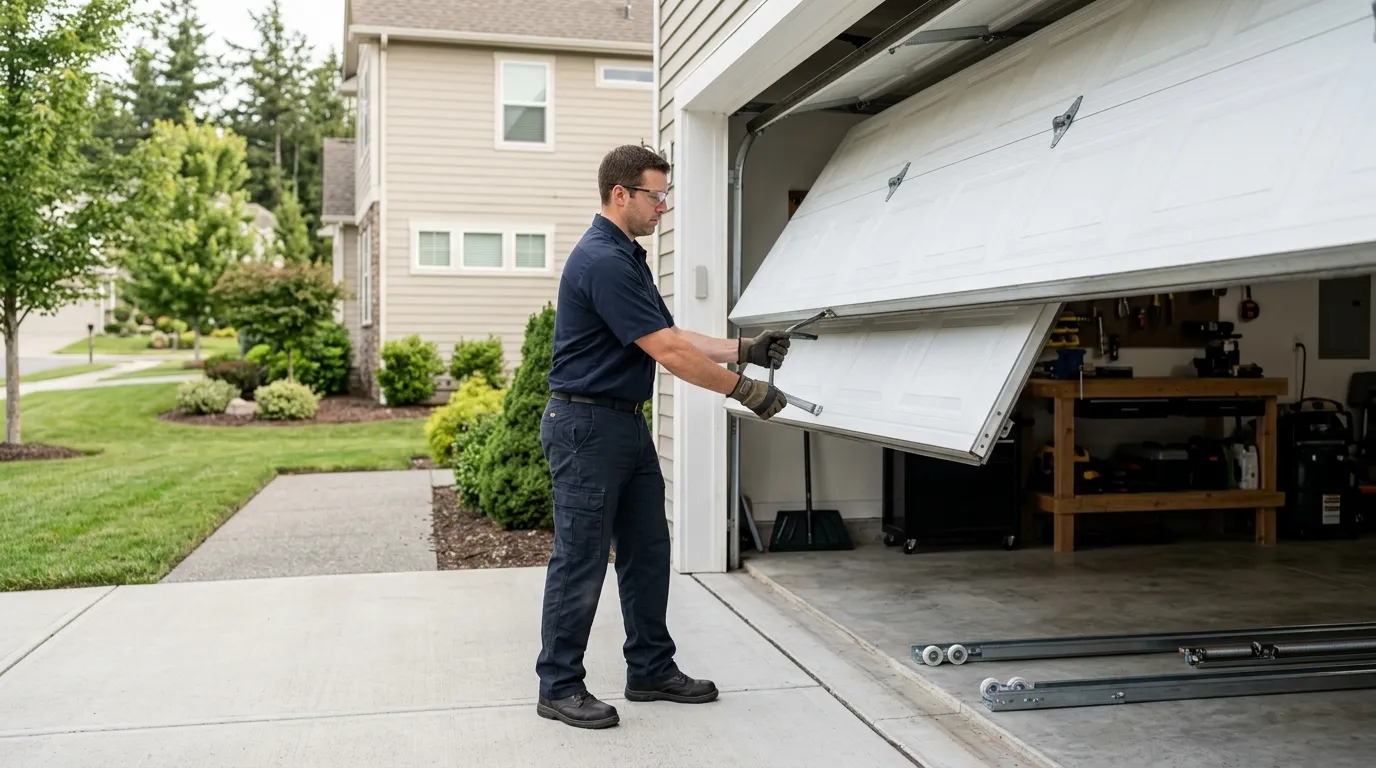
Garage Door Installation
New sectional doors sized and installed for the housing stock actually built in this area.
Learn more →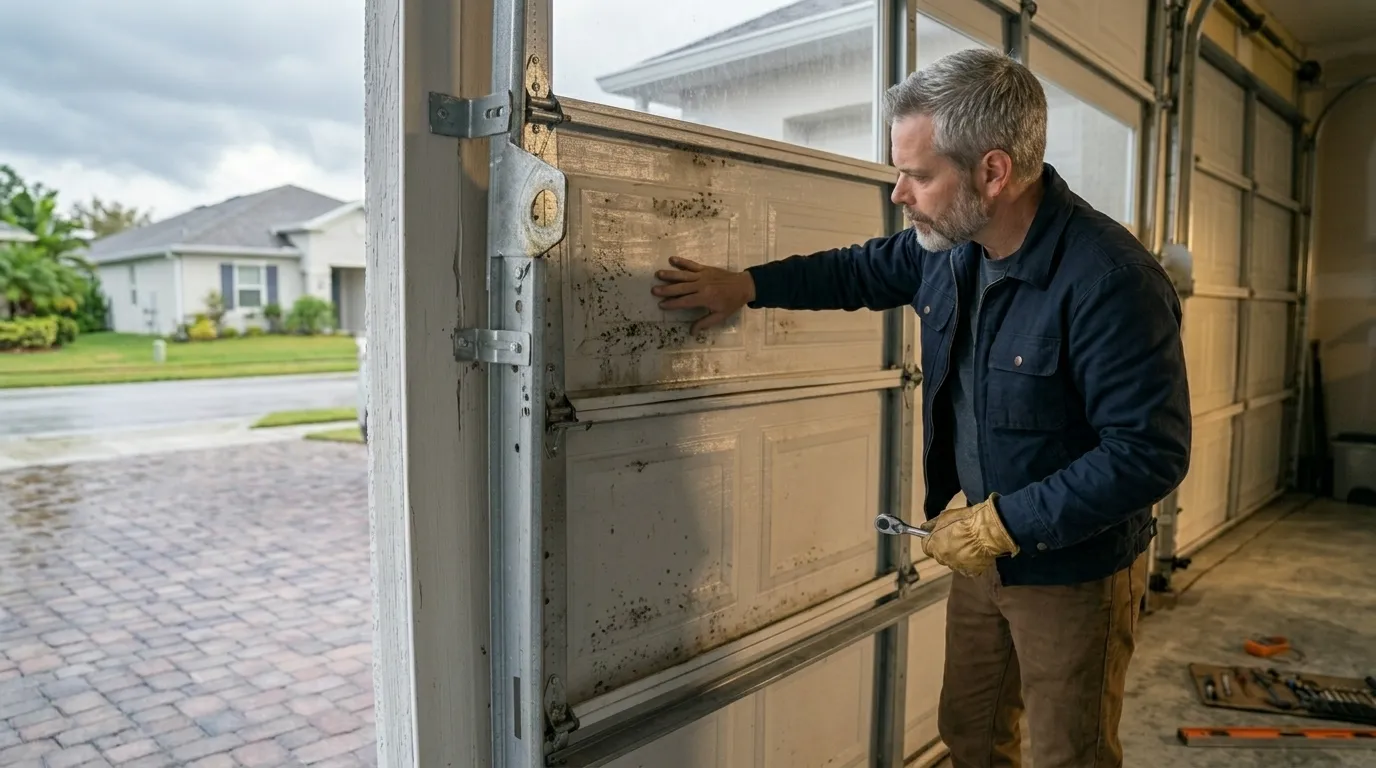
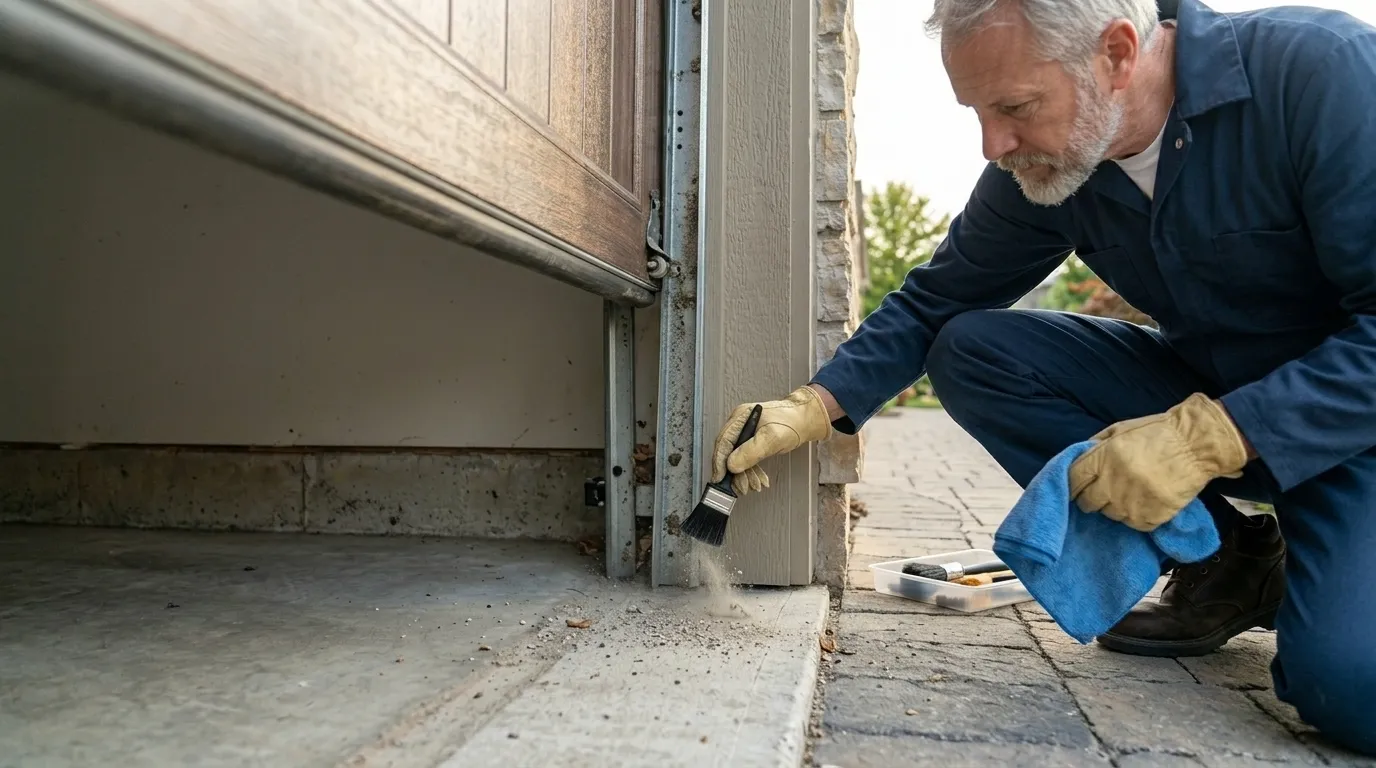
Garage Door Repair
Springs, cables, tracks, rollers, and openers fixed by a tech who explains the problem before touching anything.
Learn more →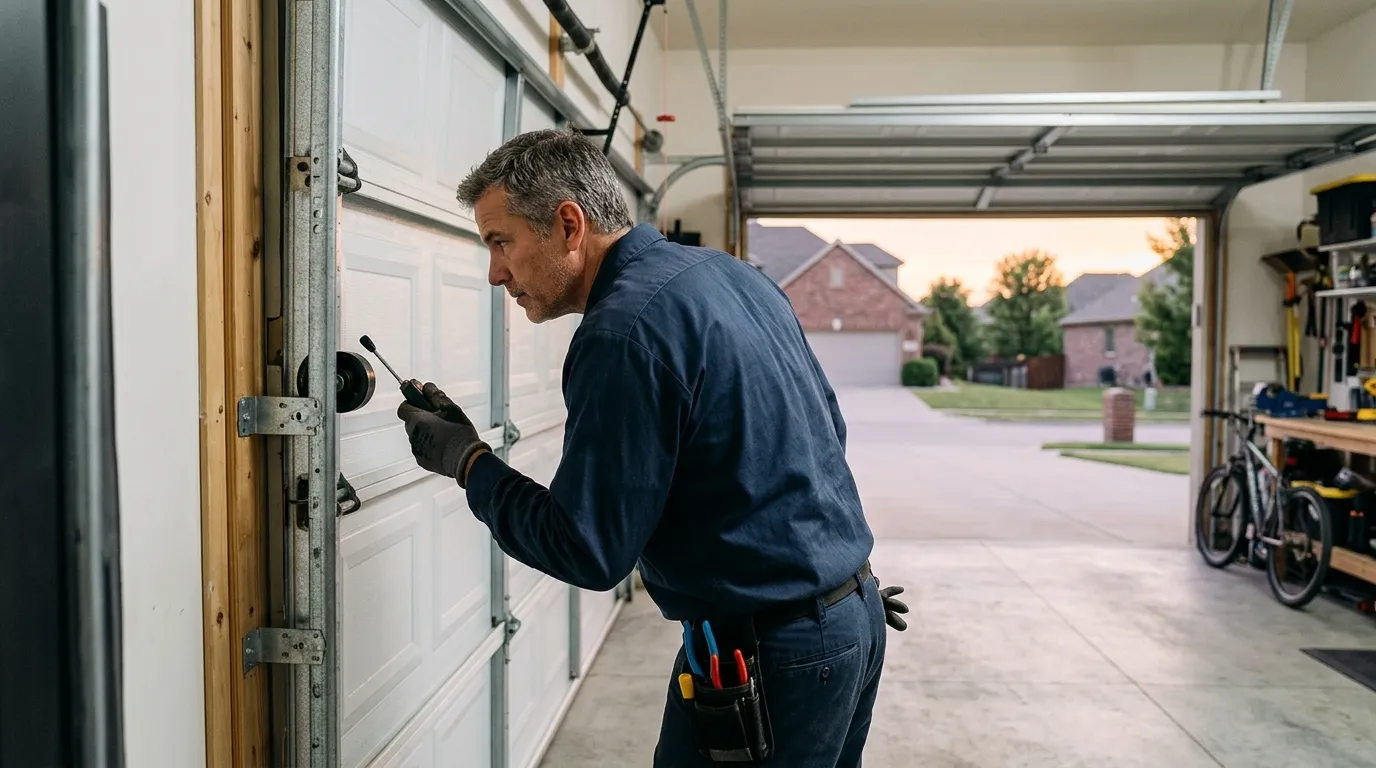
Garage Door Roller Replacement
Worn, noisy rollers swapped for smooth nylon ones so the door runs quiet.
Learn more →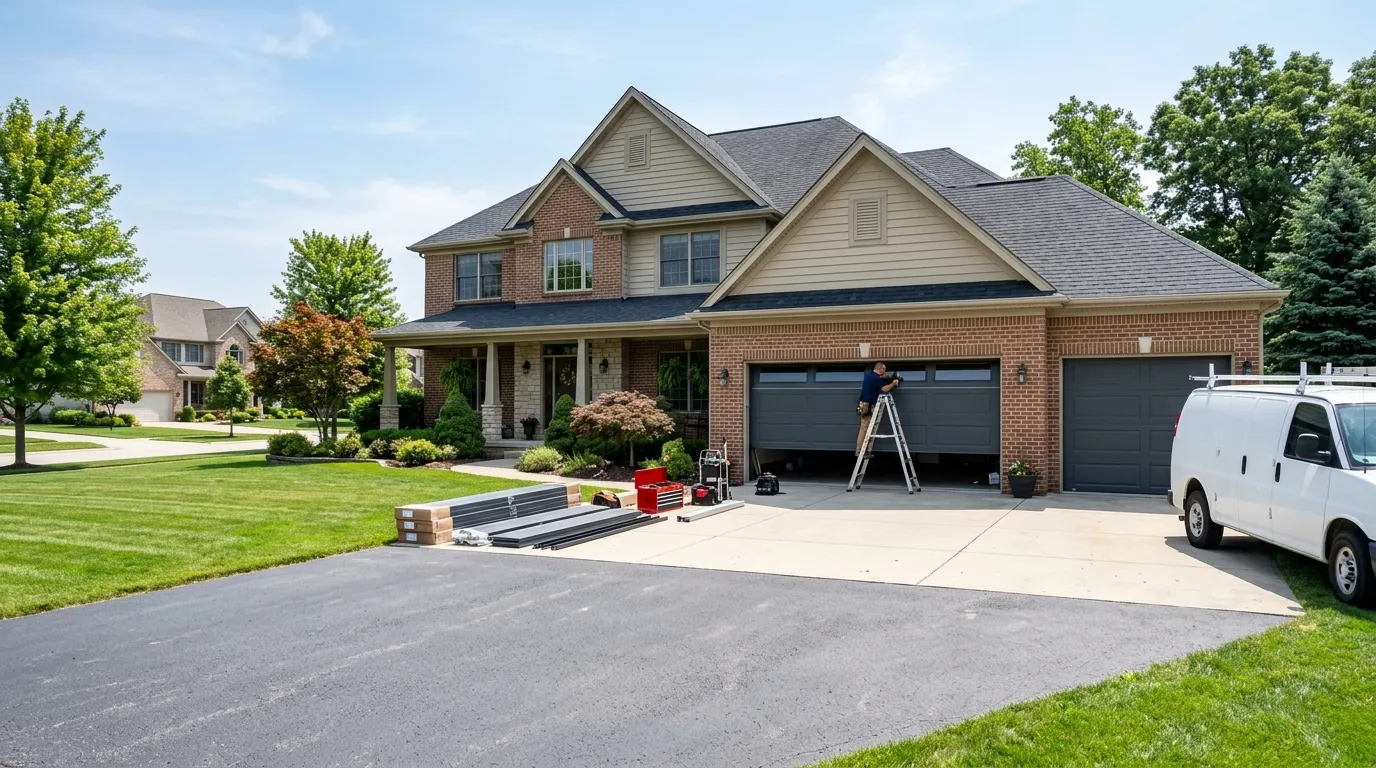
Garage Door Opener Installation
New openers sized to your door and set up with the safety sensors dialed in.
Learn more →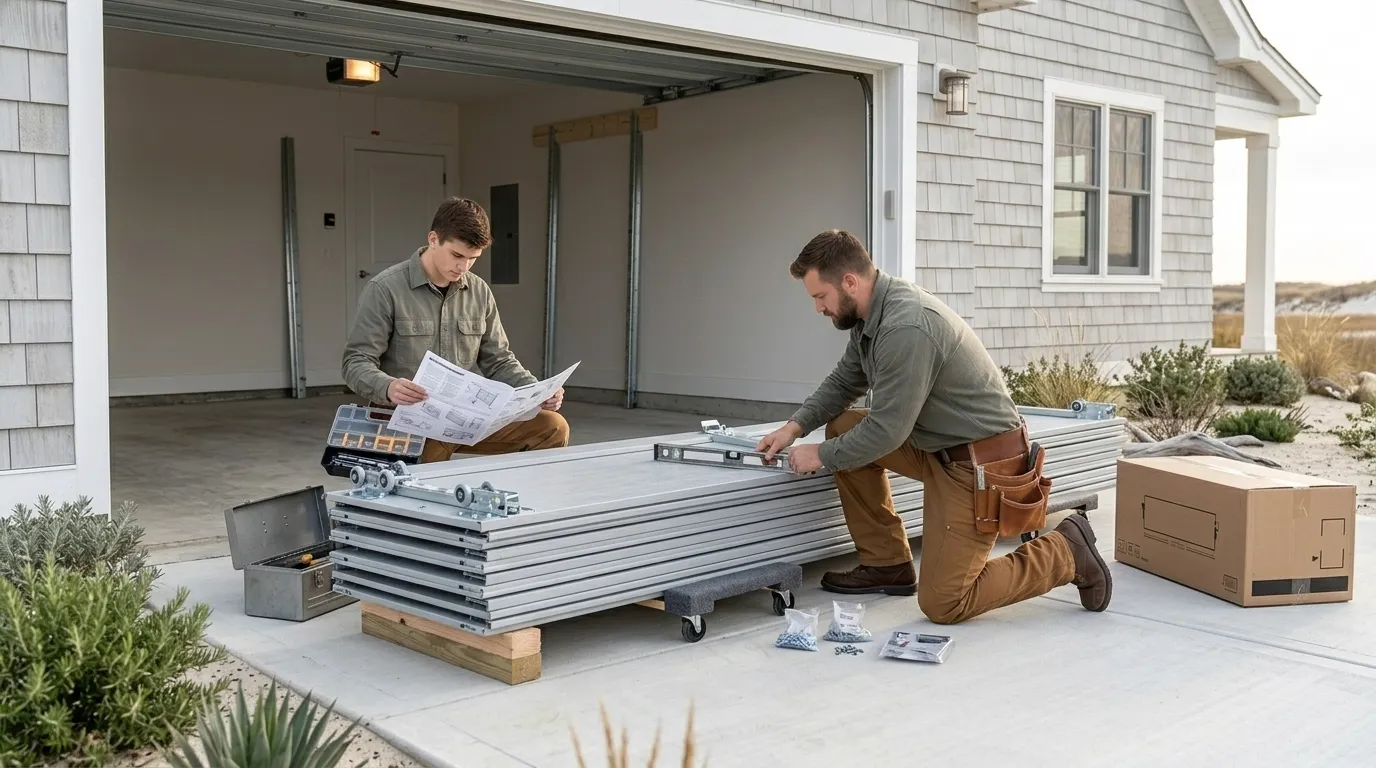
Garage Door Service
Tune-ups, lubrication, and safety checks that catch a small problem before it becomes a service call.
Learn more →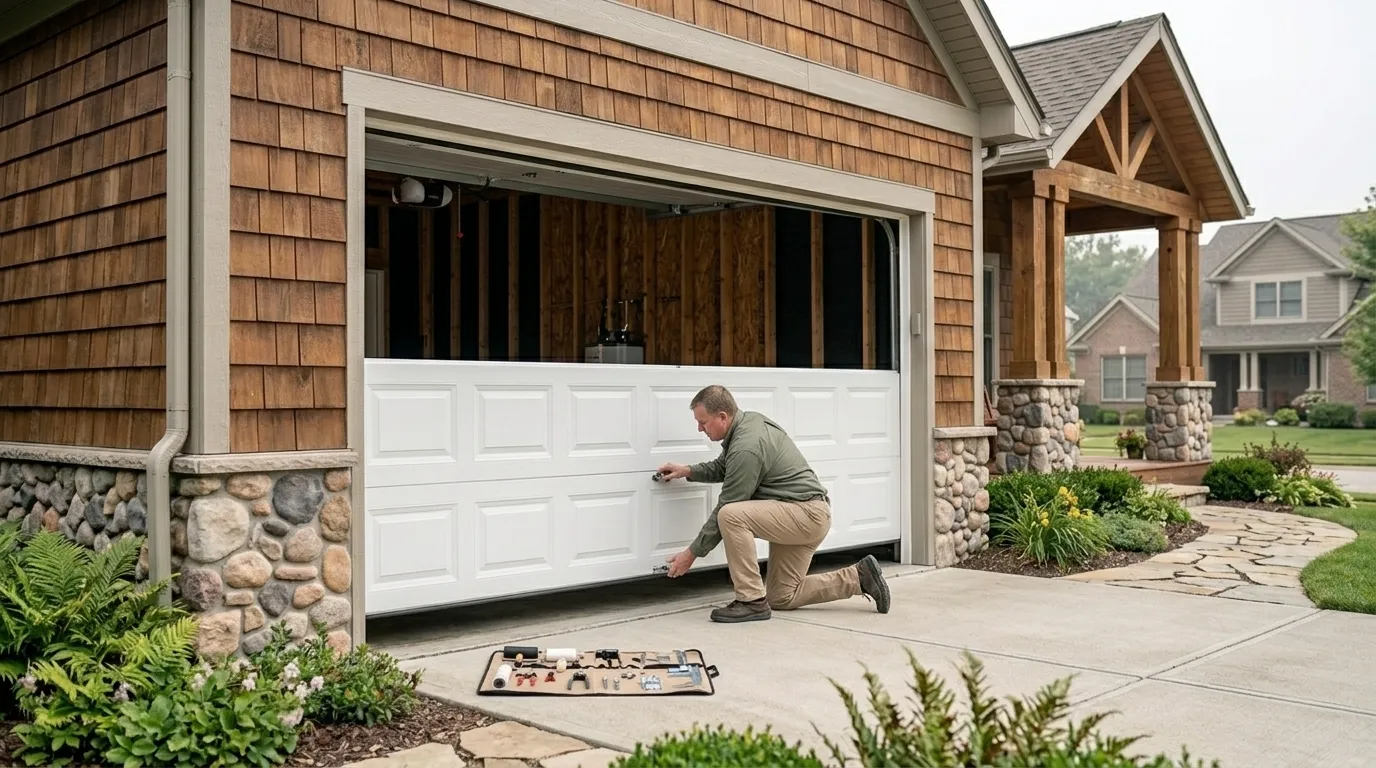
Garage Door Panel Replacement
Dented or cracked panels swapped without replacing the whole door where the frame is sound.
Learn more →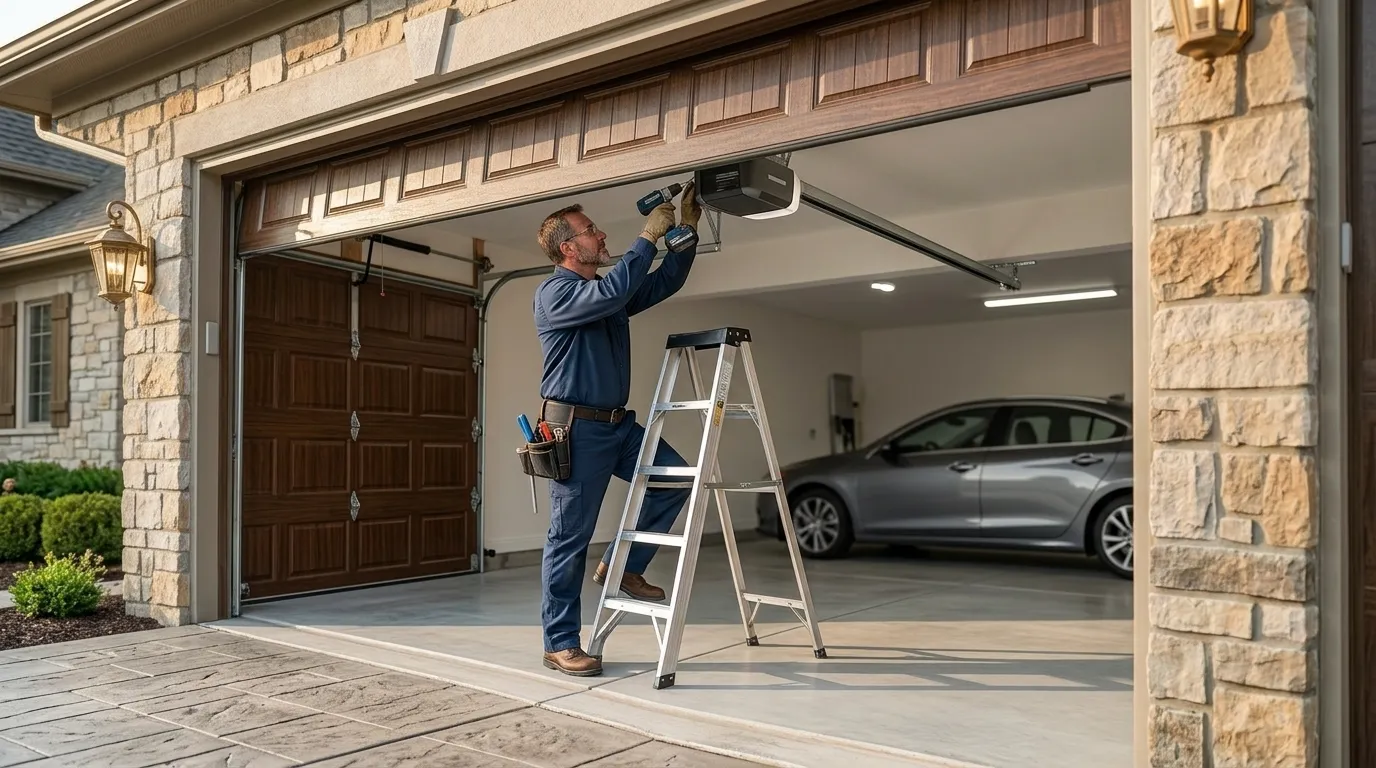
Garage Door Cable Repair
Frayed or snapped lift cables replaced and tensioned so the door lifts level and safe.
Learn more →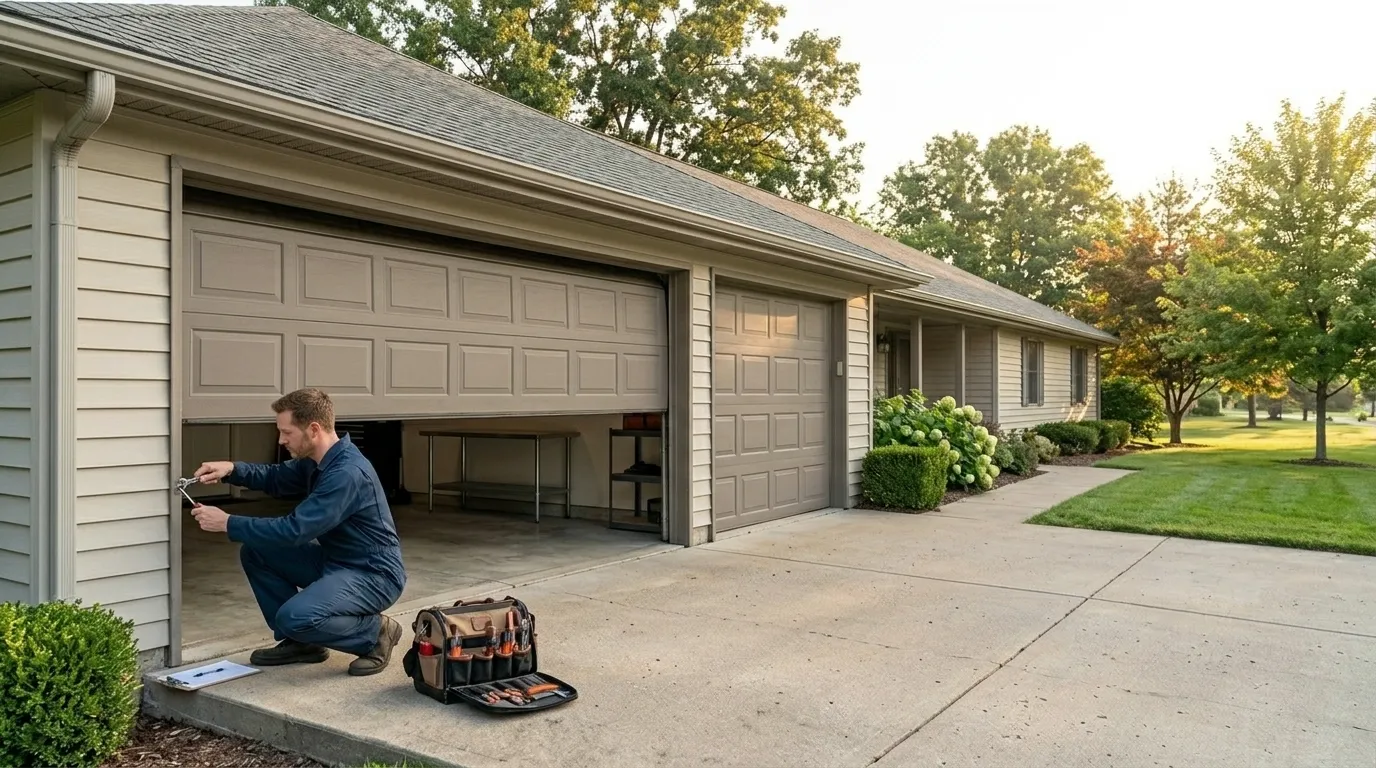
Commercial Garage Door
Commercial Garage Door handled by trained, insured local technicians with upfront pricing.
Learn more →Frequently Asked Questions
Why do you spend so much time inspecting before quoting a repair?
Because Danville's housing spans 1938 to 2008, with a lot of it from the 1960s and 70s, the track, spring, and opener on any given house may not all be from the same era. We need to see what's actually installed before pricing anything - guessing leads to the wrong parts on the truck.
Does Danville's climate cause specific garage door problems?
The mild temperate band here means less cracking and rust than harsher climates see, but daily temperature swings still dry out old spring lubricant over decades. Most of what we find is gradual wear rather than storm or freeze damage.
Is it normal for an original 1970s opener to still be running?
It happens, but we usually recommend replacing rather than repairing an opener that old. Parts and logic boards from that era are hard to source, and repeated service visits chasing an intermittent fault often cost more than a new unit.
What's the biggest red flag you look for on a service call?
A door that's suddenly harder to lift by hand. On older Danville homes that usually points to a torsion spring losing tension, and that's not something to keep testing manually - it's a call-now situation before the spring fails under load.
Have a Door That Needs a Second Opinion?
Call and describe what it is doing - we will tell you what it likely is.