
Danville Garage Door Guide
What a Replacement Door Job Looks Like in Danville
Buying a replacement door here means matching 1960s-70s framing, mild-climate hardware, and openings built before modern width standards existed.
- Licensed & Insured
- Same-Area Service Calls
- Upfront Pricing
What Is Going On
Most of the housing stock around here dates from 1938 to 2008, with the median build year sitting at 1972. That puts a lot of garages in that 1960s-70s wave that shows up across the 30 named areas in this part of the county. Doors from that era were built to openings and track depths that don't always match what shows up on a showroom floor today.
When a homeowner calls wanting a replacement, the first question isn't style, it's whether the original framing is square, whether the header height still clears a standard panel, and whether the track was ever swapped out already by a prior owner. A door built for a 1972 opening doesn't always drop into place the way a new-construction unit does. That mismatch is the actual starting point for most replacement conversations here, not the color chart.
What Local Conditions Do
This area sits in a mild temperate band, which is a break compared to places that deal with hard freezes or heavy humidity swings. That means we're not fighting ice-cracked panels or swollen wood jambs the way a cold-climate crew would. What mild weather does do is let original hardware run longer than it would elsewhere, which sounds like a benefit until a 50-year-old spring finally lets go with no warning because nothing forced an earlier inspection.
Doors here tend to fail from age and cycle count rather than from weather damage, so a replacement decision is usually driven by the door itself wearing out, not by storm damage or rot. That changes what you're actually paying for: less about weatherproofing upgrades, more about matching an opening that was built decades before current standard sizing existed.
When to Get Help
If your door is original to a house built anywhere near that 1972 median, and it's starting to sag at the panel seams or the opener strains before it lifts, that's worth a look before it fails outright. A door that still opens fine but groans or drifts off-track intermittently is usually still repairable. A door where the track shows daylight through the panel gaps, or where the bottom section has separated from the rollers, is past the point where patching makes sense.
Homeowners in Diablo, Blackhawk, and Alamo dealing with the same-era housing stock run into this same fork: repair the spring and hardware, or replace the whole unit because the frame itself has shifted with the house over fifty-plus years. We'll tell you straight which side of that line your door is on rather than default to a sale.
The Cost of This Job
We don't have a flat number to hand you here, because the honest answer depends on whether your opening still matches a standard size or whether it's one of the older non-standard openings common in this housing stock. A straightforward swap into an existing, square frame costs less than a job where the header or jamb needs rework to take a modern door. Median household income in this area runs around $146,657, and we see that reflected in the split between homeowners who want a straightforward, well-built door and those who want a higher-end insulated model with matching hardware.
Either way, we price the actual opening in front of us, not a national average, because a door sized for a 1970s house isn't priced the same as new construction. If your opening is original and non-standard, expect the quote to include some carpentry, not just the door itself.
How We Can Help
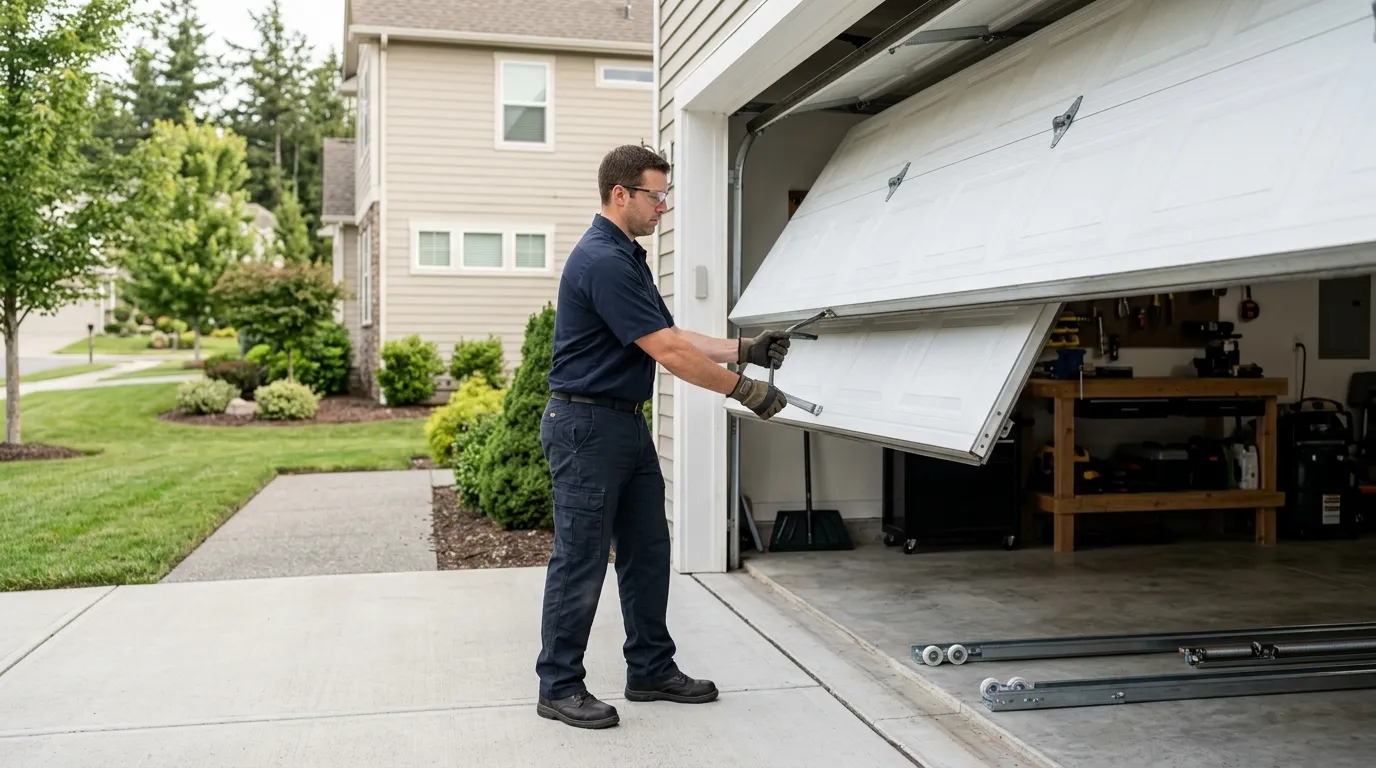
Garage Door Installation
New sectional doors sized and installed for the housing stock actually built in this area.
Learn more →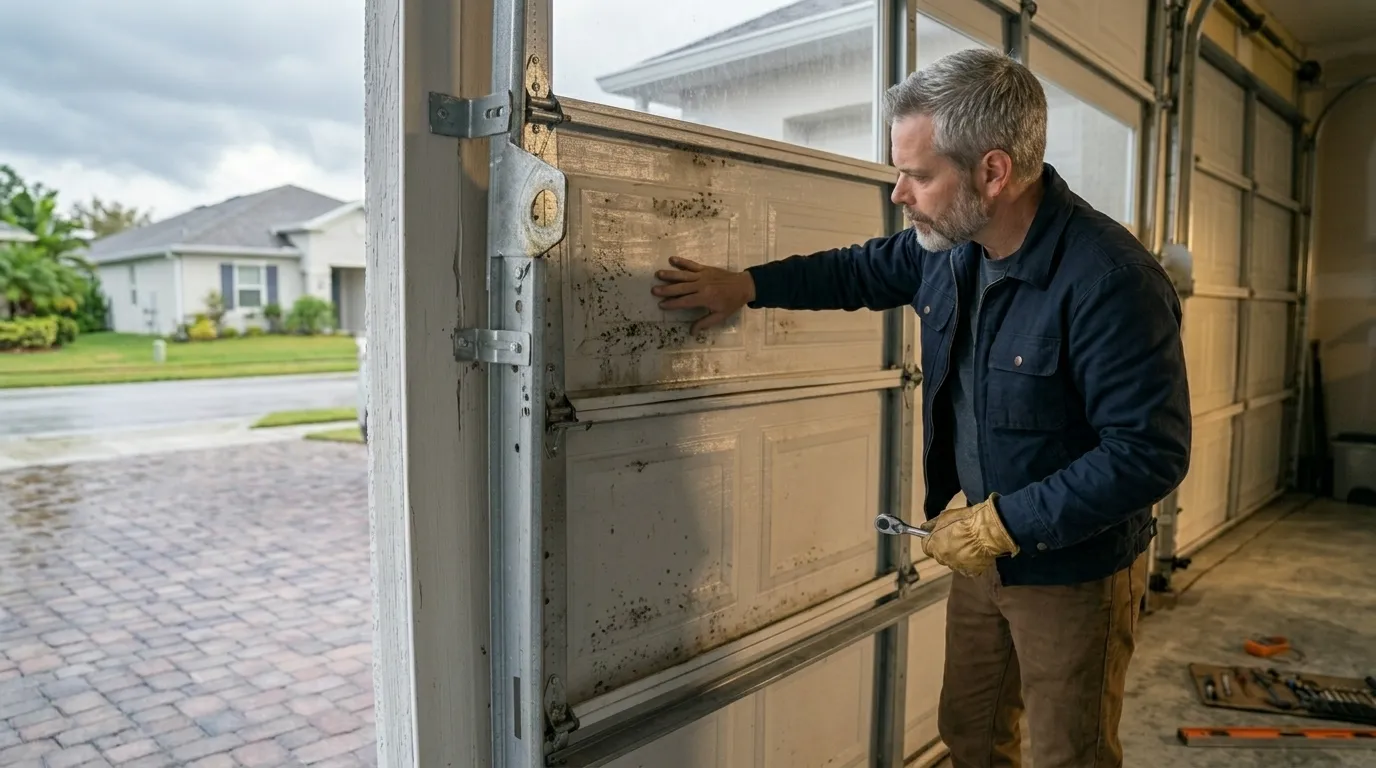
Garage Door Repair
Springs, cables, tracks, rollers, and openers fixed by a tech who explains the problem before touching anything.
Learn more →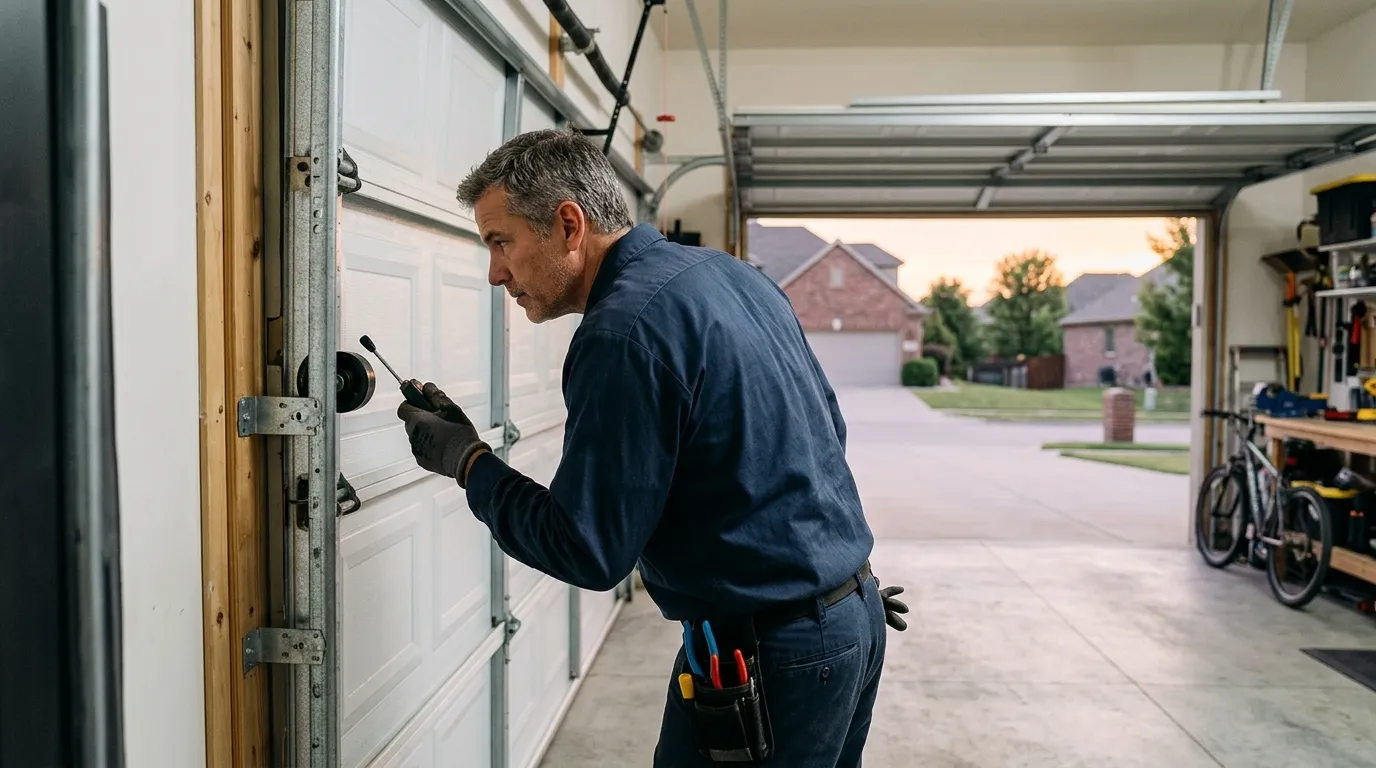
Garage Door Roller Replacement
Worn, noisy rollers swapped for smooth nylon ones so the door runs quiet.
Learn more →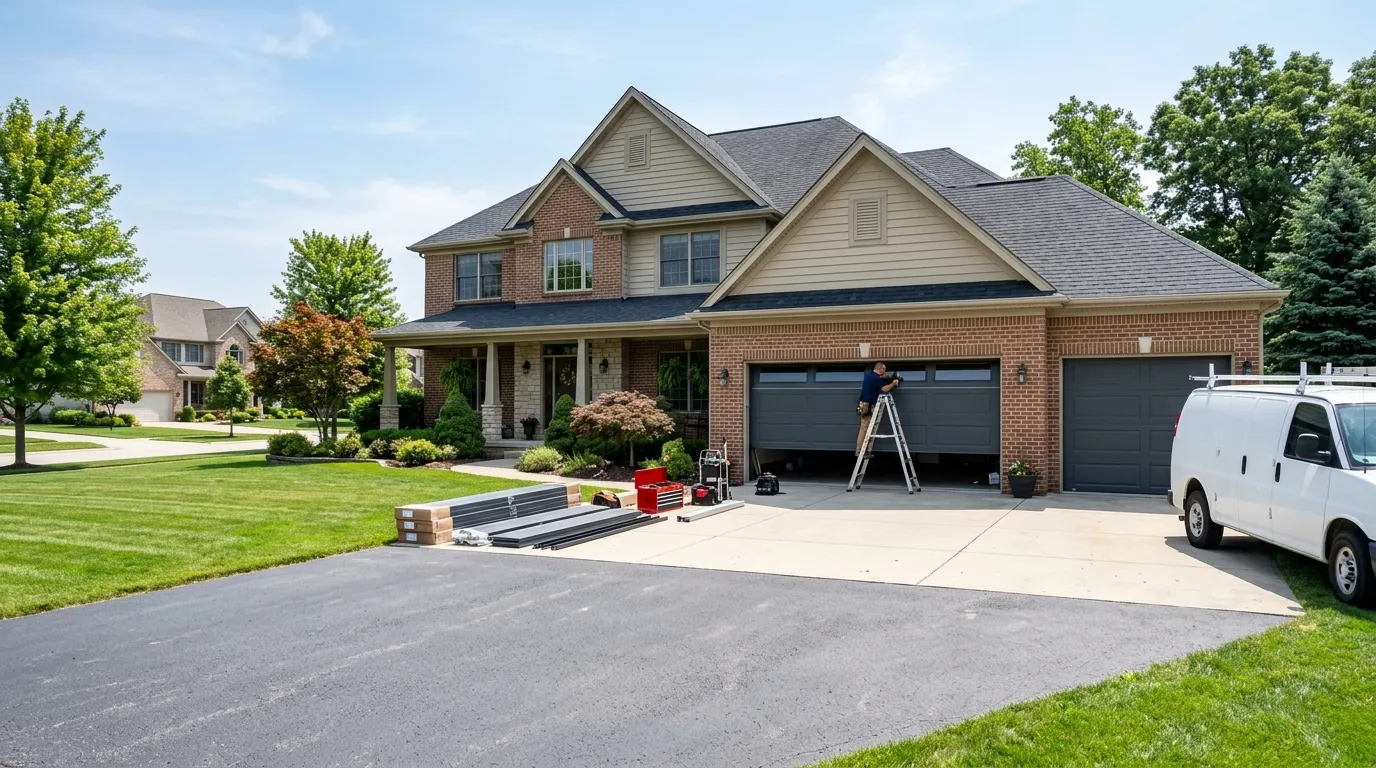
Garage Door Opener Installation
New openers sized to your door and set up with the safety sensors dialed in.
Learn more →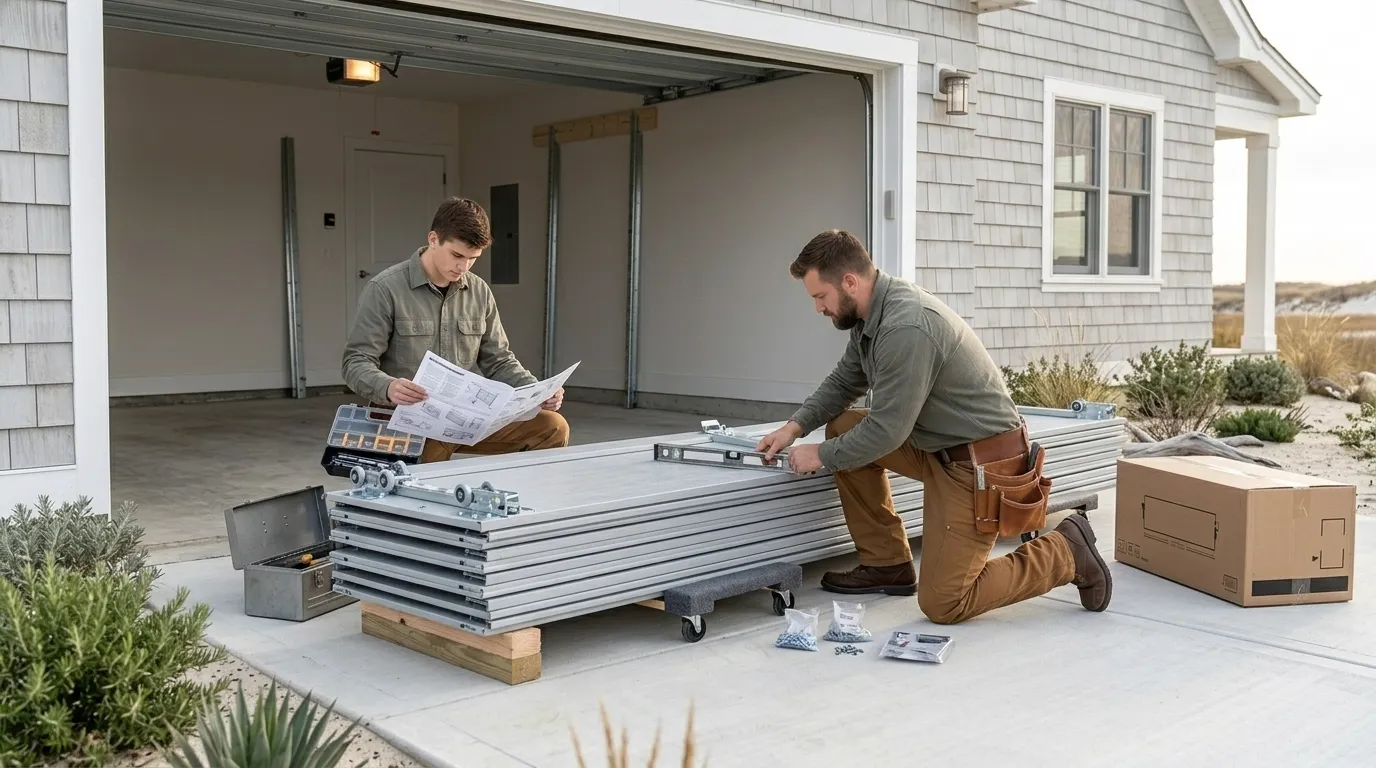
Garage Door Service
Tune-ups, lubrication, and safety checks that catch a small problem before it becomes a service call.
Learn more →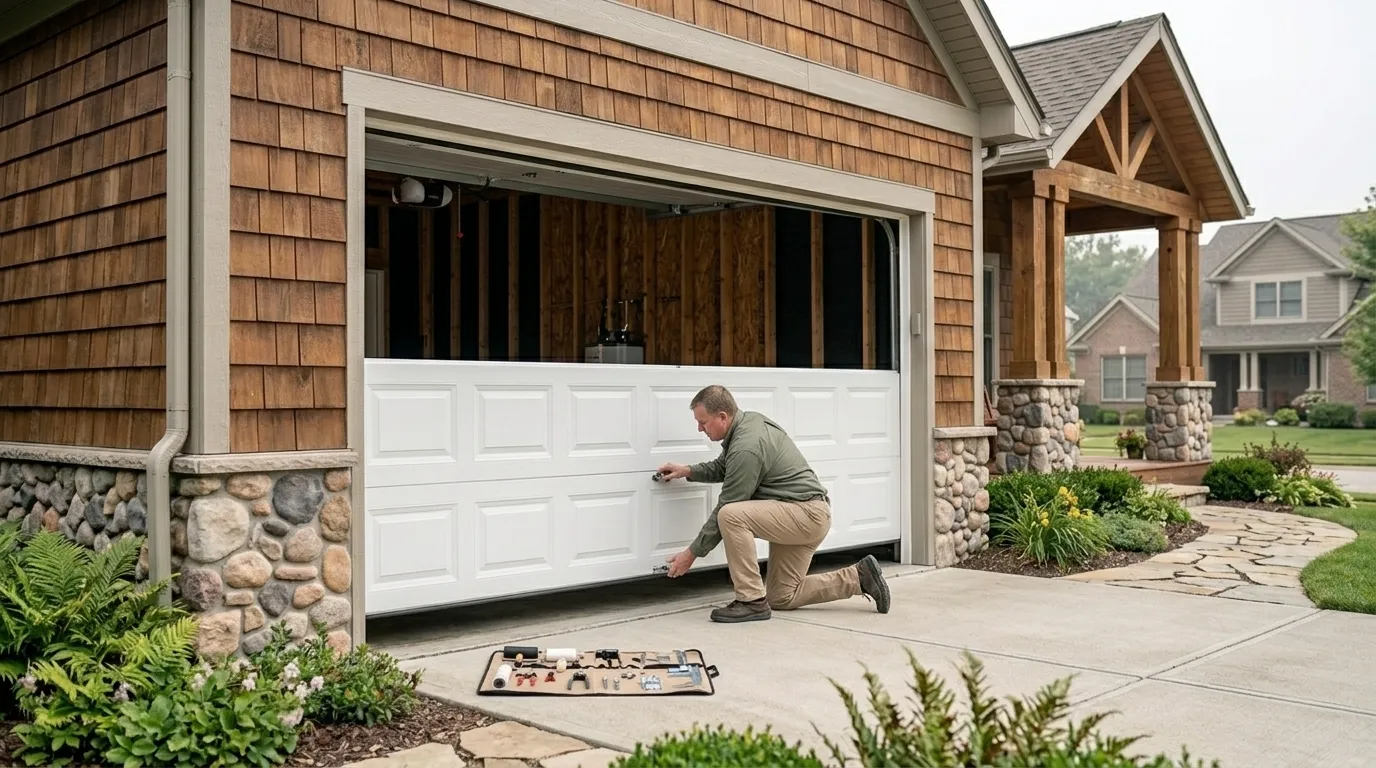
Garage Door Panel Replacement
Dented or cracked panels swapped without replacing the whole door where the frame is sound.
Learn more →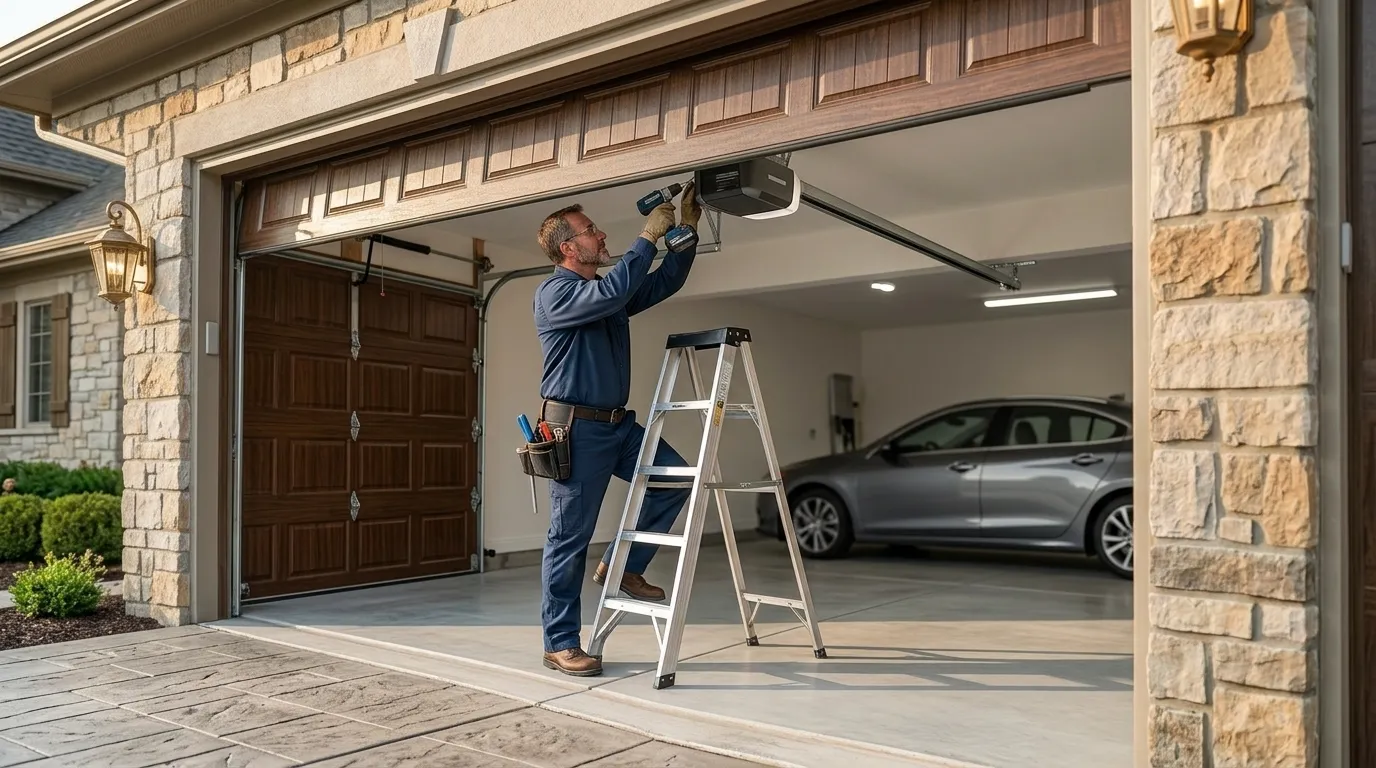
Garage Door Cable Repair
Frayed or snapped lift cables replaced and tensioned so the door lifts level and safe.
Learn more →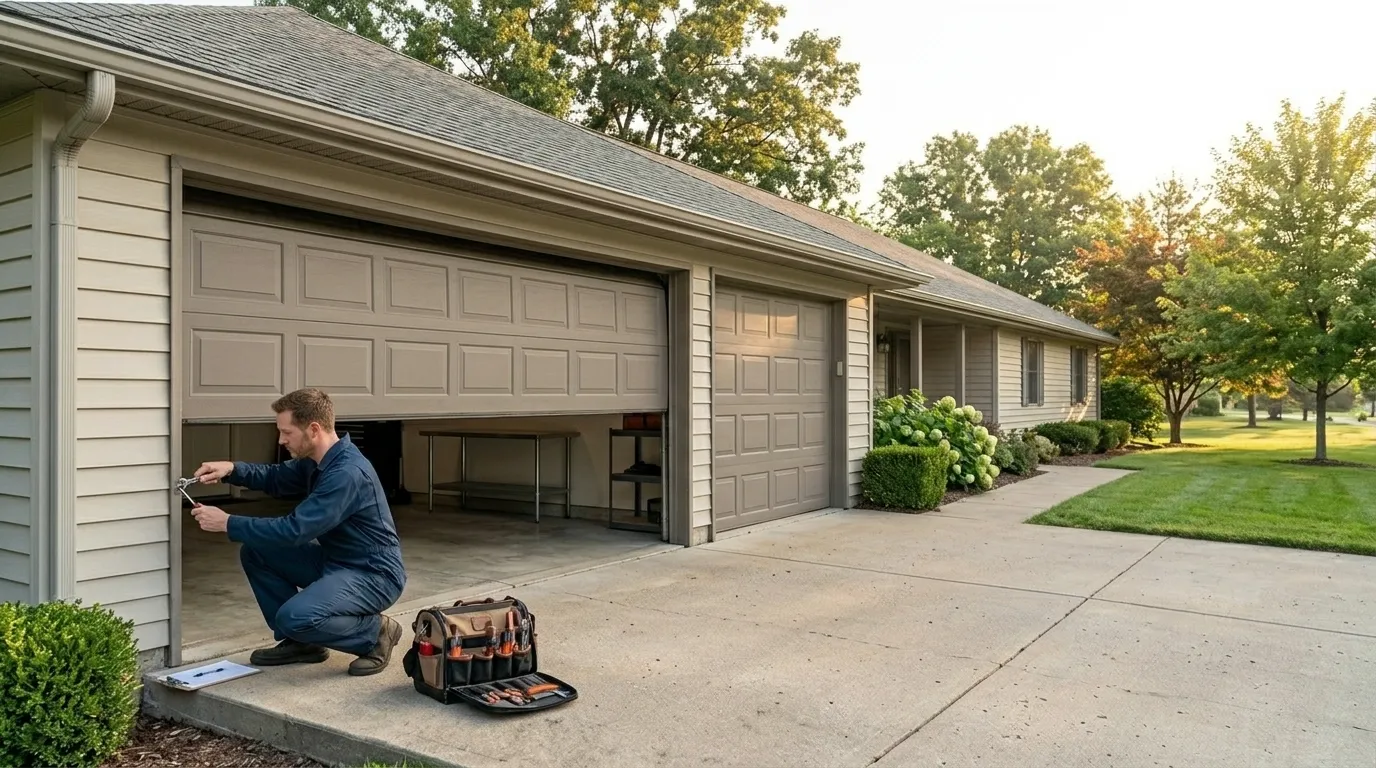
Commercial Garage Door
Commercial Garage Door handled by trained, insured local technicians with upfront pricing.
Learn more →Frequently Asked Questions
Why doesn't a standard-size replacement door fit my garage?
A lot of the housing stock around here was built between 1938 and 2008, with most of it landing in the 1960s and 70s. Openings from that era weren't always built to the width and height standards that current manufacturers size doors around, so a stock door can come up short or need the frame adjusted before it fits.
Does the mild climate here mean I can skip weatherproofing on a new door?
You're not dealing with freeze-thaw cracking or heavy humidity swelling the way other regions do, so you don't need the same cold-weather sealing package. That said, an original door running fifty-plus years still wears out from cycles and age, not weather, so replacement timing is more about the hardware than the climate.
How do I know if my door needs replacing instead of repair?
If it still opens smoothly and the noise is limited to a worn roller or a stiff spring, repair usually makes sense. If the frame has shifted, the track shows gaps against the panel, or the bottom section has pulled away from the rollers, the door itself has outlived the fix and replacement is the better use of money.
Have a Door That Needs a Second Opinion?
Call and describe what it is doing - we will tell you what it likely is.